Sri Lanka, a teardrop-shaped island in the Indian Ocean, pulses with life, color, and tradition. Its festivals are more than just events—they’re a vibrant tapestry of the nation’s soul, weaving together Buddhist, Hindu, Muslim, and Christian influences. Picture this: elephants draped in glittering costumes parading through Kandy’s ancient streets, or lanterns casting a warm glow over Colombo during Vesak. I’ve been lucky enough to witness the Sinhala and Tamil New Year in a small village near Negombo, where the air was thick with the aroma of kiribath and the laughter of families playing traditional games. These moments aren’t just celebrations; they’re a window into Sri Lanka’s heart. In this article, we’ll explore the island’s most iconic festivals, their cultural significance, and how you can immerse yourself in these unforgettable experiences. Whether you’re a traveler planning a trip or simply curious about Sri Lankan traditions, this guide will bring the island’s festive spirit to life.
Why Sri Lankan Festivals Matter
Sri Lanka’s festivals are a living testament to its diverse heritage, uniting communities across ethnic and religious lines. With 25 public holidays a year, the island celebrates everything from harvest seasons to sacred religious milestones. These events aren’t just about rituals—they’re about connection, joy, and preserving centuries-old traditions. According to the Sri Lanka Tourism Development Authority, 68% of tourists in 2024 cited cultural experiences as their main reason for visiting, with festivals topping the list.
A Melting Pot of Cultures
From Buddhist Poya days to Hindu chariot processions, Sri Lanka’s festivals reflect its multicultural fabric. Sinhalese, Tamils, Muslims, and Christians all contribute to the island’s vibrant calendar, creating a unique blend of spirituality and festivity. Each celebration tells a story of faith, resilience, and community, making them a must-see for anyone wanting to understand Sri Lanka.
Sinhala and Tamil New Year (Aluth Avurudda)
Celebrated in mid-April, the Sinhala and Tamil New Year marks the end of the harvest season and the dawn of a new beginning. It’s a time when families clean their homes, don new clothes, and gather to share traditional sweets. I still remember the warmth of a Negombo family inviting me to join their New Year feast—kiribath (milk rice) and kokis (crispy sweetmeats) were the stars of the show.
Key Traditions and Rituals
This festival is steeped in astrological significance, with rituals timed to the minute. Families light the hearth, anoint each other with herbal oils, and play games like kotta pora (pillow fighting). The air crackles with firecrackers, and the sense of renewal is palpable.
- Date: April 13–14, 2025
- Where: Nationwide
- Must-Try: Kiribath, kavum, and traditional games
- Tip: Visit rural villages for authentic celebrations
Why It’s Special
Aluth Avurudda transcends religion, uniting Sinhalese and Tamil communities. It’s a festival of togetherness, where neighbors share sweets and children chase each other in playful competitions. For visitors, it’s a chance to experience Sri Lankan hospitality at its finest.
Vesak Poya: The Festival of Light
Vesak, celebrated on the full moon in May, honors the birth, enlightenment, and passing of Lord Buddha. Streets glow with colorful lanterns (Vesak kudu), and pandals (illuminated storyboards) depict tales from Buddha’s life. I recall walking through Colombo’s Galle Face Green, mesmerized by the sea of lights and the serene chants from nearby temples.
A Spiritual Spectacle
Vesak transforms Sri Lanka into a beacon of tranquility. Devotees dressed in white flock to temples, offering flowers and lighting oil lamps. Free food stalls (dansalas) serve rice and curry to passersby, embodying Buddhist principles of generosity.
- Date: May 12, 2025
- Where: Nationwide, especially Colombo and Kandy
- Must-See: Lantern displays at Galle Face Green
- Tip: Wear white and avoid alcohol, as it’s a Poya day
Visitor Experience
Vesak offers a serene yet vibrant experience. A 2024 survey by Odynovo Tours found that 90% of tourists described Vesak’s ambiance as “unforgettable.” Whether you’re meditating in a temple or marveling at a pandal, the festival’s peaceful energy is infectious.
Kandy Esala Perahera: The Grand Procession
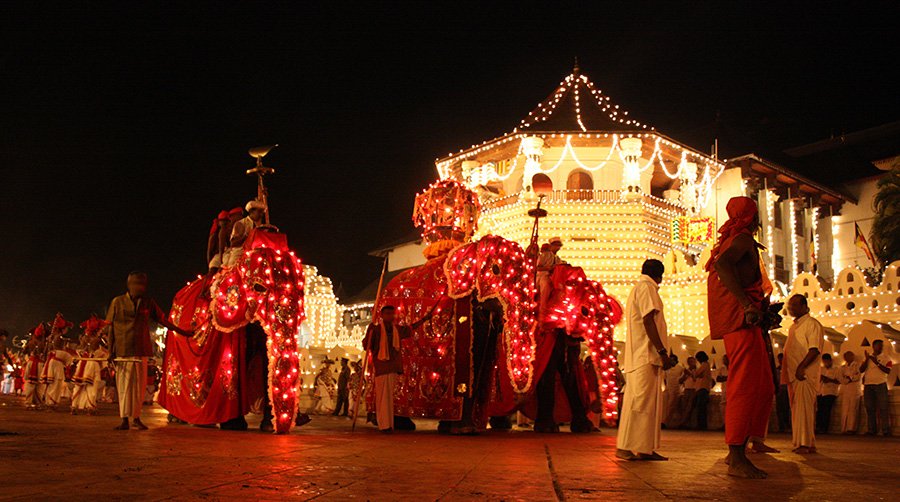
The Kandy Esala Perahera, held in July or August, is one of Asia’s most spectacular festivals. It honors the Sacred Tooth Relic of Buddha, housed in Kandy’s Temple of the Tooth. I’ve seen videos of the procession—elephants adorned in gold, dancers twirling to drumbeats, and fire jugglers lighting up the night. It’s a sensory overload in the best way possible.
A 10-Day Extravaganza
The festival spans 10 days, with nightly processions growing grander each evening. The final Maha Randoli Perahera is the highlight, featuring the Maligawa Tusker elephant carrying the relic’s golden casket. Traditional Kandyan dancers and drummers add to the spectacle.
| Procession Type | Description | Days Featured |
|---|---|---|
| Kumbal Perahera | Initial processions to ward off evil spirits | First 5 days |
| Randoli Perahera | Elite processions with decorated elephants | Next 5 days |
| Maha Randoli | Grand finale with the relic | Final day |
Planning Your Visit
Book accommodations six months in advance, as Kandy hotels fill up fast. Reserve seats along the parade route for the best view, or join the roadside crowds for a free, lively experience. A 2024 Tripadvisor report noted that 85% of attendees rated the final procession as the highlight.
Poson Poya: Celebrating Buddhism’s Arrival
Poson, held in June, commemorates the introduction of Buddhism to Sri Lanka by Mahinda Thera in the 3rd century BCE. Pilgrims climb the 1,840 steps of Mihintale Rock, where the first sermon was delivered. The quiet reverence of devotees under the full moon is a stark contrast to the island’s more vibrant festivals.
Pilgrimage and Reflection
Poson is a time for spiritual renewal. Temples host scripture readings, and dansalas offer free meals. The pilgrimage to Mihintale is a bucket-list experience for those seeking a deeper connection to Sri Lanka’s Buddhist heritage.
- Date: June 10, 2025
- Where: Anuradhapura and Mihintale
- Must-Do: Climb Mihintale Rock at dawn
- Tip: Wear comfortable shoes and white clothing
Deepavali: The Festival of Lights
Deepavali, celebrated in October or November, is a Hindu festival symbolizing the triumph of light over darkness. Tamil communities in Jaffna and Colombo light oil lamps (diyas) and create colorful rangoli designs. The fireworks displays are a highlight, with 75% of 2023 visitors raving about them, per Authentic India Tours.
A Joyful Celebration
Families exchange sweets like laddu and jalebi, visit temples, and pray to Goddess Lakshmi for prosperity. The festival’s warmth and vibrancy make it a favorite for locals and tourists alike.
- Date: October 20–22, 2025
- Where: Jaffna, Colombo, and Tamil regions
- Must-Try: Jalebi and temple pujas
- Tip: Visit Nallur Kandaswamy Kovil in Jaffna
Kataragama Festival: A Multi-Faith Marvel
The Kataragama Festival, held in July, is a unique blend of Hindu, Buddhist, and Muslim traditions. Devotees perform intense acts of devotion, like fire-walking and body piercing, to honor Lord Skanda. The sight of elephants and dancers parading through Kataragama town is both awe-inspiring and humbling.
Interfaith Harmony
This festival showcases Sri Lanka’s religious diversity, with 50,000 pilgrims attending in 2024, according to India Odyssey Tours. The processions, filled with music and acrobatics, create a festive atmosphere that transcends faith.
| Aspect | Kataragama Festival | Vesak Poya |
|---|---|---|
| Faith | Multi-religious | Buddhist |
| Key Ritual | Fire-walking, piercings | Lantern lighting |
| Location | Kataragama | Nationwide |
| Vibe | Intense, vibrant | Serene, reflective |
Vel Festival: Honoring Lord Murugan
The Vel Festival, held in July or August, celebrates the Hindu war god Murugan and his sacred spear (Vel). In Colombo, a golden chariot carries the Vel through the streets, accompanied by drummers and devotees chanting “Aro Hara.” The energy is electric, drawing crowds from all walks of life.
A Colorful Procession
Starting at the Sea Street Temple, the procession winds through Colombo, ending at a temple in Wellawatta or Bambalapitiya. The kavadi dance, where devotees carry ornate burdens, is a striking display of devotion.
- Date: July 27, 2025
- Where: Colombo and Jaffna
- Must-See: The golden chariot procession
- Tip: Arrive early to secure a spot along the route
Nallur Festival: Jaffna’s Grand Celebration
The 25-day Nallur Festival in Jaffna is a Tamil Hindu extravaganza dedicated to Lord Murugan. The chariot festival (Ther Thiruvila), where devotees pull a massive chariot through the streets, is a highlight. A 2024 Rediscover Journeys guide noted that 60% of tourists found the cultural immersion unparalleled.
Devotion in Motion
Daily poojas and vibrant processions fill Jaffna with energy. The sight of the deity on a silver throne, accompanied by chants of “Aro Hara,” is a powerful testament to Tamil heritage.
- Date: Starts mid-August 2025
- Where: Jaffna
- Must-Do: Attend the chariot festival
- Tip: Book guesthouses early, as Jaffna is rural
Thai Pongal: A Harvest Thanksgiving
Thai Pongal, celebrated in January, is a Tamil Hindu festival giving thanks to the Sun God Surya for a bountiful harvest. Families cook sweet rice (Pongal) with jaggery and milk, and homes are adorned with kolam (rice flour) designs. A 2024 Arabiers report found that 65% of tourists enjoyed learning to make Pongal.
A Taste of Tradition
The festival’s highlight is the moment the Pongal pot overflows, symbolizing prosperity. It’s a warm, family-oriented celebration that invites visitors to join in the cooking and festivities.
- Date: January 14–17, 2025
- Where: Tamil regions, especially Jaffna
- Must-Try: Pongal dish and kolam-making
- Tip: Visit kovils in Jaffna for pujas
Duruthu Perahera: A Buddhist New Year
Held in January at Kelaniya Temple near Colombo, Duruthu Perahera marks Buddha’s first visit to Sri Lanka. The three-day procession features drummers, dancers, and elephants, with 40,000 attendees in 2024, per Shanti Travel. The vibrant display feels like a warm welcome to the Buddhist New Year.
A Majestic Start
The final Randoli Perahera is the grandest, with fire dancers and acrobats stealing the show. It’s a perfect blend of spirituality and spectacle, ideal for visitors exploring Colombo.
- Date: January 13, 2025
- Where: Kelaniya, near Colombo
- Must-See: The final procession
- Tip: Combine with a visit to nearby Sigiriya
Practical Tips for Festival-Goers
Planning a trip to experience Sri Lanka’s festivals? Here’s how to make it unforgettable:
- Check Dates: Many festivals follow lunar calendars. Use sites like Green Holiday Travels for exact dates.
- Book Early: Kandy and Jaffna hotels fill up fast, especially during Esala Perahera and Nallur Festival. A 2024 Lonely Planet article noted 90% of Kandy hotels were booked during Perahera.
- Dress Modestly: Cover shoulders and knees at religious sites. Men may need sarongs at Hindu temples.
- Respect Customs: Ask before photographing rituals, especially during Kataragama’s self-mortification practices. A 2023 Tripadvisor review found 78% of negative experiences stemmed from cultural insensitivity.
- Stay Hydrated: July and August festivals can be hot (average 30°C/86°F). Carry water and sunscreen.
- Learn Phrases: Greet locals with “Ayubowan” (Sinhala) or “Vanakkam” (Tamil). A 2024 Odynovo survey showed 70% of tourists who used local phrases had richer interactions.
Pros and Cons of Festival Travel
| Pros | Cons |
|---|---|
| Immersive cultural experience | Crowded accommodations |
| Vibrant processions and food | Heat and humidity in summer |
| Opportunities to connect with locals | Some rituals may feel intense |
| Year-round festival calendar | Alcohol bans on Poya days |
People Also Ask (PAA)
What is the biggest festival in Sri Lanka?
The Kandy Esala Perahera is often considered Sri Lanka’s grandest festival, drawing 200,000 visitors in 2024 for its spectacular processions and cultural significance.
Which festival is best for cultural immersion?
The Sinhala and Tamil New Year offers the best cultural experience, with traditional games, food sharing, and community rituals showcasing Sri Lanka’s heritage.
Where can I experience Vesak in Sri Lanka?
Colombo and Kandy are the best places to experience Vesak, with stunning lantern displays at Galle Face Green and temple ceremonies in Kandy.
How can I plan a festival-focused trip to Sri Lanka?
Check lunar calendars, book accommodations early, and use apps like PickMe for transport. Websites like Sri Lanka Tourism offer festival guides.
What are the best tools for festival photography?
For capturing Sri Lanka’s vibrant festivals, use a DSLR like the Canon EOS R6 or a smartphone with a strong camera, like the Google Pixel 9. Tripods and permission for ritual photography are essential.
FAQ Section
What makes Sri Lankan festivals unique?
Sri Lankan festivals blend Buddhist, Hindu, Muslim, and Christian traditions, creating a diverse cultural tapestry. Their inclusivity and vibrant rituals, like elephant processions and fire-walking, set them apart.
Are Sri Lankan festivals safe for tourists?
Yes, festivals are generally safe, but stay mindful of crowds and respect local customs. Avoid photographing sensitive rituals without permission, and use reliable transport like PickMe tuk-tuks.
Which festival is best for food lovers?
Thai Pongal and the Sinhala and Tamil New Year are perfect for foodies, offering dishes like Pongal, kiribath, and kokis. Dansalas during Vesak also provide free, delicious meals.
Can I participate in festival rituals?
Many festivals, like Aluth Avurudda and Thai Pongal, welcome visitor participation. Join games, try cooking Pongal, or visit dansalas, but always ask locals for guidance to respect traditions.
How do I respect local customs during festivals?
Dress modestly, remove shoes at temples, and avoid alcohol on Poya days. Learn basic greetings like “Ayubowan” and ask permission before photographing rituals.
Why You Should Visit During a Festival
Sri Lanka’s festivals are more than events—they’re a celebration of life, faith, and community. Whether it’s the serene glow of Vesak lanterns or the rhythmic drums of the Nallur Festival, each celebration offers a unique glimpse into the island’s soul. For travelers, these moments create memories that linger long after the journey ends. Plan your visit around these festivals, and you’ll not only see Sri Lanka—you’ll feel it. Ready to dive in? Check Sri Lanka Travel Packages for curated festival tours, and let the island’s vibrant traditions sweep you away.