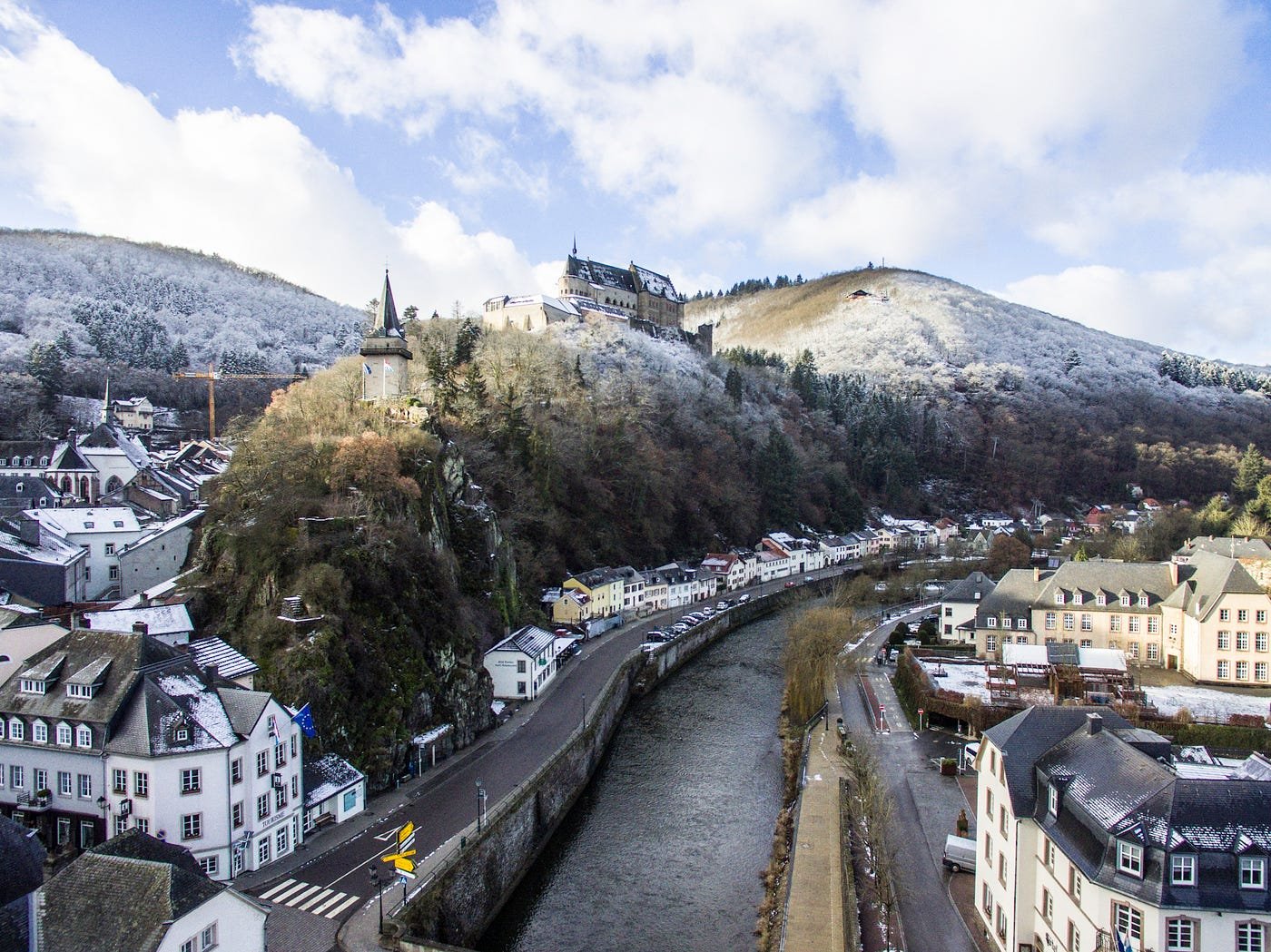
Planning a trip to Europe is like standing at the edge of a treasure map, with endless possibilities stretching across a continent brimming with history, culture, and natural beauty. But when is the best time to go? As someone who’s wandered through cobblestone streets in Paris during spring showers and sipped hot chocolate at Vienna’s Christmas markets in winter, I can tell you the answer depends on your priorities—weather, crowds, budget, or experiences. This guide dives deep into the seasons, months, and destinations to help you pick the perfect time for your European adventure in 2025, with practical tips, personal anecdotes, and data-driven insights to make your trip unforgettable.
Why Timing Matters for Your European Adventure
Timing can make or break your European experience. Visit in peak summer, and you might swelter in crowded Rome; go in winter, and you could have Venice’s St. Mark’s Square nearly to yourself. Each season offers unique vibes, costs, and activities. Let’s break it down to find what suits you best.
Understanding Europe’s Seasons
Europe’s climate and tourist patterns revolve around four seasons: peak (summer), shoulder (spring and fall), and off-season (winter). Each has distinct pros and cons, influenced by geography, from the Mediterranean’s balmy coasts to Scandinavia’s frosty winters.
Spring (March to May): Blooming Beauty and Mild Crowds
Spring is Europe’s sweet spot for many travelers, with mild weather, blooming landscapes, and fewer tourists than summer. Temperatures typically range from 50°F to 70°F (10°C to 21°C) across much of the continent, making it ideal for sightseeing.
Why Spring Shines
Spring transforms Europe into a canvas of color—think tulip fields in the Netherlands or cherry blossoms in Lisbon. Crowds are thinner, and prices for flights and accommodations are often 20–30% lower than in peak season. I once visited Amsterdam in April, and the Keukenhof gardens were a kaleidoscope of tulips, with manageable crowds compared to summer’s chaos.
Best Spring Destinations
- Netherlands (April): Visit Keukenhof for tulip season, but book tickets early to avoid sellouts.
- Portugal (May): Lisbon and Porto offer warm days (65–75°F) and vibrant festivals like the Flower Festival in Madeira.
- Greece (April–May): Mild weather (60–70°F) makes Athens and the islands perfect for exploring ruins without sweating.
Pros and Cons of Spring Travel
Pros:
- Pleasant temperatures for outdoor activities.
- Lower costs for flights and hotels compared to summer.
- Fewer crowds at major attractions like the Colosseum or Louvre.
Cons:
- Unpredictable rain, especially in northern Europe (e.g., 10 rainy days in Paris in April).
- Some attractions may have limited hours early in the season.
Spring Weather Snapshot
| Destination | Avg. Temp (°F) | Rainfall (Days/Month) | Best For |
|---|---|---|---|
| Amsterdam | 50–60 | 12–15 | Tulip viewing, cycling |
| Lisbon | 60–70 | 8–10 | City tours, coastal walks |
| Athens | 60–70 | 6–8 | Historical sites, island hopping |
Summer (June to August): Sun, Fun, and Crowds
Summer is Europe’s high season, drawing millions with long, sunny days and temperatures often hitting 70–85°F (21–29°C). It’s the go-to time for beach lovers and festival-goers, but it comes with crowds and higher prices.
The Summer Vibe
Summer turns Europe into a vibrant playground. From Santorini’s sun-soaked cliffs to Edinburgh’s Fringe Festival, the continent buzzes with energy. However, popular spots like Paris or Barcelona can feel like a human traffic jam. I learned this the hard way queuing for the Eiffel Tower in July, where the line stretched longer than my patience.
Best Summer Destinations
- Croatia (July): Dubrovnik’s beaches and clear Adriatic waters are perfect, with temps around 80°F.
- Scandinavia (June–August): Norway and Sweden offer near-24-hour daylight, ideal for fjord cruises or hiking.
- Italy (June): Early summer in Tuscany avoids the worst heat (85–90°F in July) and crowds.
Pros and Cons of Summer Travel
Pros:
- Warm, sunny weather perfect for beaches and outdoor festivals.
- Extended daylight hours, especially in northern Europe.
- All attractions are open with full schedules.
Cons:
- Peak crowds at major sites (e.g., 30,000 daily visitors to the Colosseum).
- Higher prices—flights and hotels can cost 50% more than off-season.
- Heatwaves, with temperatures occasionally exceeding 100°F in southern Europe.
Summer Festival Highlights
| Event | Location | Month | Why Visit |
|---|---|---|---|
| Edinburgh Fringe | Scotland | August | World’s largest arts festival |
| La Tomatina | Spain | August | Fun tomato-throwing festival |
| Glastonbury | England | June | Iconic music festival |
Fall (September to October): Crisp Air and Cultural Riches
Fall is another shoulder season, offering a balance of pleasant weather, fewer crowds, and vibrant festivals. Temperatures range from 55–75°F (13–24°C), and autumn foliage adds a golden glow to places like Tuscany or the Black Forest.
Why Fall Feels Magical
Fall in Europe feels like stepping into a postcard. The crowds thin out, prices drop, and local harvests bring food festivals to life. I wandered through Munich’s Oktoberfest in September, sipping beer and savoring pretzels, with just enough elbow room to enjoy the revelry.
Best Fall Destinations
- Germany (September–October): Oktoberfest in Munich draws millions but is less crowded in late September.
- Italy (October): Tuscany’s vineyards glow with autumn hues, and truffle festivals abound.
- Switzerland (September): Geneva’s mild weather (60–70°F) is perfect for lake tours and hiking.
Pros and Cons of Fall Travel
Pros:
- Cooler temperatures ideal for city exploration and hiking.
- Lower accommodation costs (e.g., 20–40% less than summer in Paris).
- Unique festivals like Oktoberfest or Braderie de Lille market.
Cons:
- Increased rainfall, especially in October (e.g., 10 rainy days in London).
- Some coastal destinations start closing up by late October.
Fall Weather Snapshot
| Destination | Avg. Temp (°F) | Rainfall (Days/Month) | Best For |
|---|---|---|---|
| Munich | 55–65 | 8–10 | Oktoberfest, beer gardens |
| Tuscany | 60–75 | 7–9 | Wine tours, truffle festivals |
| Geneva | 55–70 | 9–11 | Lake cruises, hiking |
Winter (November to March): Cozy Charm and Budget Savings
Winter is Europe’s off-season, with colder weather (30–50°F or -1–10°C) and fewer tourists. It’s a dream for budget travelers and those seeking festive magic or winter sports.
The Winter Wonder
Winter wraps Europe in a cozy, festive glow. Christmas markets in Vienna and Strasbourg sparkle, while ski resorts in the Alps hum with activity. I once skied in Chamonix in February, where fresh powder and quiet slopes made it feel like a private playground.
Best Winter Destinations
- Austria (December): Vienna’s Christmas markets and concerts create a fairytale vibe.
- Iceland (February–March): Chase the Northern Lights with fewer crowds and lower costs.
- France (January): Chamonix offers world-class skiing with 100+ miles of slopes.
Pros and Cons of Winter Travel
Pros:
- Lowest prices—flights and hotels can be 30–50% cheaper than summer.
- Minimal crowds at iconic sites (e.g., nearly empty Roman Forum).
- Unique experiences like Northern Lights or Christmas markets.
Cons:
- Cold, wet weather in many regions (e.g., 17–19 rainy days in Bergen, Norway).
- Shorter daylight hours and some attractions closed or with reduced hours.
Winter Activity Highlights
| Activity | Location | Month | Why Try It |
|---|---|---|---|
| Christmas Markets | Strasbourg, France | December | Festive shopping, mulled wine |
| Northern Lights | Reykjavik, Iceland | February | Bucket-list natural wonder |
| Skiing | Chamonix, France | January–March | World-class slopes |
Comparing Seasons: Which Is Best for You?
Choosing the best time to visit Europe depends on your travel style. Here’s a quick comparison to guide your decision:
| Season | Weather | Crowds | Cost | Best For |
|---|---|---|---|---|
| Spring | Mild, rainy | Moderate | Moderate | Sightseeing, nature |
| Summer | Hot, sunny | High | High | Beaches, festivals |
| Fall | Cool, crisp | Moderate | Moderate | Culture, food festivals |
| Winter | Cold, snowy | Low | Low | Budget travel, winter sports |
Budget Travelers: Winter or shoulder seasons (April, October) offer the best deals. For example, a round-trip flight from the U.S. to London can drop from $800 in July to $400 in January.
Families: Summer is easiest for school schedules but opt for less touristy spots like Slovenia or Bulgaria to avoid crowds.
Adventure Seekers: Spring and fall are ideal for hiking or cycling, with milder weather and fewer trail crowds.
People Also Ask (PAA)
When is the cheapest time to visit Europe?
Winter (November–March) typically offers the lowest prices for flights and accommodations, with savings up to 50% compared to summer. Shoulder seasons (April, October) are also budget-friendly with moderate crowds.
What’s the best month to visit Europe for good weather?
September strikes a balance with warm temperatures (60–75°F) and fewer crowds, especially in Mediterranean destinations like Greece or Spain. Spring (April–May) is also great for mild weather across most of Europe.
Is summer too crowded in Europe?
Yes, summer (June–August) is peak season, with major sites like the Eiffel Tower or Colosseum seeing tens of thousands of visitors daily. Consider less touristy destinations like Montenegro or Romania to escape the chaos.
Can you see the Northern Lights in Europe in winter?
Absolutely! February and March are prime months to see the Northern Lights in Iceland, Norway, or Finland, with clear skies and minimal light pollution in rural areas.
Practical Tips for Planning Your Trip
- Book Early for Peak Season: Summer flights and hotels fill up fast. Use tools like Skyscanner or Kayak to track prices and book 3–6 months in advance for savings up to 20%.
- Pack Smart: Spring and fall can be unpredictable—bring layers and a waterproof jacket. For winter, pack thermal wear, especially for northern Europe.
- Use Rail Passes: An Interrail or Eurail pass is cost-effective for multi-country trips, especially in spring or fall when trains are less crowded.
- Check Local Events: Websites like Lonely Planet or Rick Steves list festivals and events to align your trip with unique experiences.
- Consider Emerging Destinations: Armenia and Georgia are gaining popularity for 2025, offering rich culture with fewer crowds and lower costs.
SEO Strategies for Travel Planning in 2025
To make the most of your trip, align your planning with current travel trends. Search data shows a 70% surge in interest for destinations like Armenia, while traditional hotspots like London face declining search demand due to high costs. Optimize your itinerary by focusing on “experience-driven” travel—think cooking classes in Tuscany or hiking the Jordan Trail. Websites like Expedia or TourRadar offer curated itineraries for these immersive experiences.
FAQ
What’s the best time to visit Europe for budget travelers?
Winter (November–March) is the cheapest, with flights and hotels often 30–50% less than summer. Spring and fall shoulder seasons also offer deals with moderate crowds.
Is it worth visiting Europe in winter?
Yes, winter offers unique experiences like Christmas markets, skiing, and the Northern Lights, plus lower costs and fewer tourists. However, expect cold weather and shorter days.
Which European cities are best for fall festivals?
Munich (Oktoberfest), Tuscany (truffle festivals), and Lille (Braderie market) shine in fall with vibrant cultural events and pleasant weather.
How can I avoid crowds in Europe?
Travel in spring (April–May) or fall (September–October), and visit lesser-known destinations like Slovenia, Montenegro, or Armenia instead of Paris or Rome.
What’s the best time to visit Mediterranean Europe?
September to October offers warm weather (65–75°F), fewer crowds, and lower prices compared to summer. Greece, Spain, and Italy are particularly inviting.
Conclusion: Craft Your Perfect European Journey
Europe is a year-round destination, each season painting the continent with its own charm. Spring and fall offer a balance of mild weather and fewer crowds, summer brings vibrant energy, and winter delivers budget-friendly magic. Reflect on what matters most—be it chasing sunsets in Santorini, skiing in the Alps, or savoring mulled wine in Strasbourg. Use tools like Skyscanner for deals, check local event calendars, and consider emerging destinations to craft a trip that’s uniquely yours. Where will your European adventure take you in 2025?