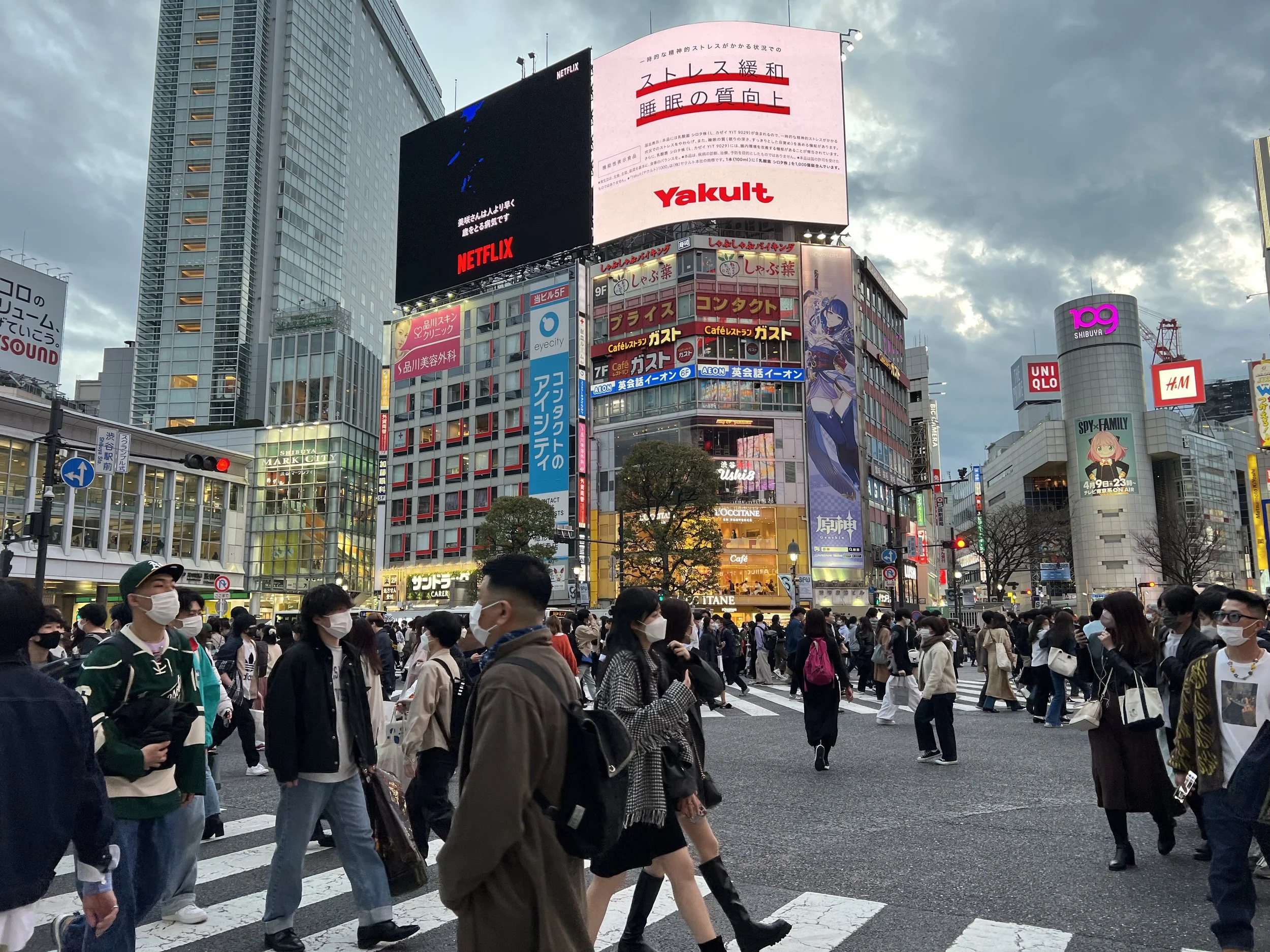
Planning a trip to Japan feels like stepping into a vibrant tapestry of ancient traditions, futuristic cities, and breathtaking landscapes. As someone who’s wandered the neon-lit streets of Tokyo, savored sushi in Osaka, and marveled at Kyoto’s temples, I can tell you: Japan is a destination that rewards preparation. Whether it’s your first time or a return visit, these 27 tips will help you navigate the Land of the Rising Sun with confidence, save money, and create unforgettable memories. From cultural etiquette to practical hacks, let’s dive into everything you need to make your Japan adventure seamless and extraordinary.
Why Japan Requires Smart Planning
Japan blends tradition and innovation like nowhere else, but its unique culture and systems can catch travelers off guard. A little preparation goes a long way to avoid confusion and enhance your experience. Whether you’re chasing cherry blossoms or exploring hidden gems, these tips are your roadmap to success.
Understanding Japan’s Unique Travel Landscape
Japan’s mix of ultra-modern cities and serene rural areas creates a diverse travel experience. You’ll need to navigate bullet trains, complex etiquette, and seasonal events, all while managing costs in a country with a reputation for being pricey. With the right strategies, you can travel smarter and immerse yourself fully.
Before You Go: Pre-Trip Essentials
1. Research Visa Requirements and JESTA
Starting in 2025, travelers from visa-exempt countries must apply for the Japan Electronic Travel Authorization (JESTA) before arrival. This online system streamlines entry but requires advance planning. Check if your country qualifies and apply early to avoid delays.
2. Book Accommodations Early
Japan’s peak seasons—cherry blossom season (March–April) and autumn foliage (October–November)—see hotels and ryokans booked months in advance. Use platforms like Booking.com or Agoda to secure deals, especially in popular cities like Tokyo and Kyoto.
3. Get a Japan Rail Pass (If It Fits Your Itinerary)
The Japan Rail Pass can save you hundreds on bullet train travel, but it’s not always cost-effective. For a 14-day pass costing around $528, calculate your routes to ensure savings, as it doesn’t cover all Shinkansen or metro lines.
4. Download Essential Apps
Apps like Google Maps, Google Translate, and Hyperdia (for train schedules) are lifesavers. Visit Japan Web lets you pre-register immigration and customs details for faster airport processing. Download these before you go to navigate with ease.
5. Learn Basic Japanese Phrases
While many Japanese people in tourist areas speak some English, learning phrases like “Arigatou” (thank you) or “Sumimasen” (excuse me) shows respect. My first trip, I fumbled a “Konnichiwa” at a Kyoto shopkeeper, and her warm smile made it worth the effort.
6. Pack for the Season
Japan’s weather varies dramatically. Summer (July–August) is hot and humid, while winter (December–February) can be chilly, especially in Hokkaido. Pack layers for autumn and spring, and don’t forget comfortable walking shoes for exploring.
7. Plan Around Public Holidays
Holidays like Golden Week (late April–early May) and Obon (mid-August) bring crowds and higher prices. In 2025, Obon (August 9–17) offers nine consecutive holidays if you time it right, but book early to avoid sold-out trains and hotels.
Navigating Japan’s Transportation
8. Get a Suica or Pasmo Card
These prepaid IC cards are your ticket to seamless travel on trains, buses, and even at convenience stores. Load them with yen and tap to pay—no fumbling for cash. They’re a game-changer in cities like Tokyo and Osaka.
9. Master the Shinkansen
Japan’s bullet trains are fast, punctual, and comfortable. Book seats in advance during peak times, and note luggage restrictions: bags over 160cm (length + height + depth) need a reserved oversized baggage seat.
10. Use Luggage Forwarding Services
Traveling with big suitcases? Use takkyubin services like Yamato Transport to send luggage between hotels. It’s affordable (around ¥1,500–2,000 per bag) and lets you explore hands-free.
11. Embrace Local Trains and Buses
While Shinkansen are great for long distances, local trains and buses are cheaper for short trips. Apps like NAVITIME help you plan routes and check fares.
Cultural Etiquette: Respecting Japanese Customs
12. Follow Public Etiquette
Japan values quiet politeness. Avoid loud conversations on trains or phone calls in public spaces. I once saw a tourist get polite but firm stares for chatting loudly on a Tokyo subway—lesson learned!
13. Bow with Confidence
Bowing is a common greeting. A slight nod is enough for casual interactions, but observe locals to match their level of formality. It’s a small gesture that goes a long way.
14. Remove Shoes When Required
Many temples, ryokans, and homes require shoe removal. Carry clean socks and watch for signs indicating where to leave shoes. Slipping into provided slippers feels like a cozy ritual.
15. Respect Queueing Culture
Japanese people queue orderly for everything—trains, restaurants, even vending machines. Join the line and avoid cutting in, even accidentally. It’s a refreshing change from chaotic travel elsewhere.
Money-Saving Tips for Japan
16. Budget for Food Wisely
Japan’s food scene ranges from Michelin-starred restaurants to affordable gems. Convenience stores like 7-Eleven offer tasty bentos for under ¥500 ($3.50). I’ve had amazing katsu curry at a tiny diner for less than $10.
17. Understand the Tax-Free System
Starting April 2025, Japan’s tax-free shopping changes. Pay the 10% consumption tax upfront and claim a refund at the airport with receipts. Keep goods unopened for customs checks.
18. Use Discount Passes
City-specific passes, like the Tokyo Subway Ticket or Osaka Amazing Pass, offer unlimited rides and attraction discounts. They’re perfect for packed itineraries and save you from buying individual tickets.
19. Stay in Budget Accommodations
Hostels, capsule hotels, and Airbnb offer affordable stays. For a cultural experience, book a ryokan in smaller towns like Takayama—they’re often cheaper than city hotels.
| Accommodation Type | Average Cost/Night (USD) | Pros | Cons |
|---|---|---|---|
| Capsule Hotel | $20–50 | Cheap, unique experience | Limited space, shared facilities |
| Hostel | $30–70 | Social, budget-friendly | Less privacy |
| Ryokan | $80–200 | Cultural immersion | Can be pricey in cities |
| Business Hotel | $60–120 | Central, reliable | Basic amenities |
Food and Dining Tips
20. Explore Conveyor-Belt Sushi
Sushi restaurants like Sushiro or Genki Sushi offer fresh, affordable sushi via conveyor belts. Plates start at ¥100 ($0.70), and it’s fun to grab what catches your eye. My first sushi belt experience left me grinning like a kid.
21. Try Regional Specialties
Each region has unique dishes—okonomiyaki in Osaka, ramen in Fukuoka, or kobe beef in Hyogo. Research local foods to plan your culinary adventure.
22. Don’t Tip
Tipping isn’t customary in Japan and can even be seen as rude. Service is exceptional, so enjoy it without worrying about extra cash.
23. Use Vending Machines for Drinks
Japan has over 5 million vending machines, offering everything from coffee to green tea. They’re cheap (¥100–200) and convenient, especially in rural areas.
Sightseeing and Activities
24. Plan for Seasonal Events
Japan’s festivals, like Kyoto’s Gion Matsuri or Osaka’s Kishiwada Danjiri, are unforgettable. Autumn foliage in Hokkaido or Tokyo’s parks is a must-see in October–November. Check event calendars early.
25. Visit Off-the-Beaten-Path Spots
While Tokyo and Kyoto are musts, consider places like Kanazawa or the Goto Islands for fewer crowds and authentic vibes. My day trip to Miyajima’s floating shrine felt like stepping into a postcard.
26. Leverage Free Attractions
Many shrines, parks, and observation decks (like Tokyo Metropolitan Government Building) are free. Balance paid activities like teamLab Borderless with these to save money.
27. Book Tickets for Popular Sites
Sites like Tokyo Skytree or Universal Studios Japan sell out fast. Book online through official sites or platforms like Klook to secure spots and sometimes snag discounts.
Comparison: Tokyo vs. Kyoto
| Aspect | Tokyo | Kyoto |
|---|---|---|
| Vibe | Fast-paced, modern, vibrant | Traditional, serene, cultural |
| Top Attractions | Shibuya Crossing, Tsukiji Market | Fushimi Inari Shrine, Arashiyama |
| Cost | Higher (avg. $110/day) | Moderate (avg. $90/day) |
| Best For | Urban explorers, nightlife lovers | History buffs, nature enthusiasts |
Pros of Tokyo: Endless entertainment, shopping, and dining options.
Cons of Tokyo: Crowded, expensive, can feel overwhelming.
Pros of Kyoto: Rich history, peaceful temples, scenic beauty.
Cons of Kyoto: Fewer modern amenities, crowded during peak seasons.
People Also Ask (PAA)
Is Japan expensive to travel to?
Japan can be affordable with smart planning. Budget travelers can spend $80–110/day by staying in hostels, eating at convenience stores, and using discount passes. Splurging on high-end ryokans or dining can push costs higher.
What’s the best time to visit Japan?
Spring (March–May) for cherry blossoms and autumn (September–November) for foliage are ideal. Summer is hot but vibrant with festivals, while winter offers snow activities in Hokkaido.
Do I need to speak Japanese to travel in Japan?
No, but basic phrases help. Apps like Google Translate bridge gaps, and many signs in tourist areas are in English. Locals are patient and helpful, especially if you show effort.
How safe is Japan for tourists?
Japan is one of the safest countries, with low crime rates. Exercise normal precautions, especially in crowded areas, and follow local laws.
FAQ Section
Q: How far in advance should I book my Japan trip?
A: Book flights and accommodations 3–6 months in advance, especially for peak seasons like spring or autumn. Early booking secures better rates and availability.
Q: Is the Japan Rail Pass worth it?
A: It depends on your itinerary. If you’re traveling between multiple cities (e.g., Tokyo to Osaka to Hiroshima), it can save money. For city-focused trips, local passes may be better.
Q: What’s the best way to pay in Japan?
A: Cash is king, but IC cards like Suica work for transport and small purchases. Many shops now accept credit cards, but carry yen for smaller vendors.
Q: Are there any cultural taboos to avoid?
A: Avoid loud behavior in public, don’t stick chopsticks upright in rice (it resembles a funeral ritual), and respect no-shoe rules in homes and temples.
Q: Where can I find reliable Japan travel guides?
A: Check the Japan National Tourism Organization (japan.travel) or MATCHA (matcha-jp.com) for free guides, itineraries, and brochures.
Final Thoughts
Japan is a destination that captivates with its blend of old and new, but it rewards travelers who come prepared. From mastering the Shinkansen to savoring conveyor-belt sushi, these 27 tips will help you navigate with ease and make every moment count. My first trip taught me that Japan’s magic lies in its details—the quiet respect of a bow, the precision of a train arriving on time, the warmth of a local’s smile. Plan smart, embrace the culture, and let Japan steal your heart.
Ready to start planning? Visit Japan National Tourism Organization for official guides or book your Japan Rail Pass at JRPass.com. Happy travels!