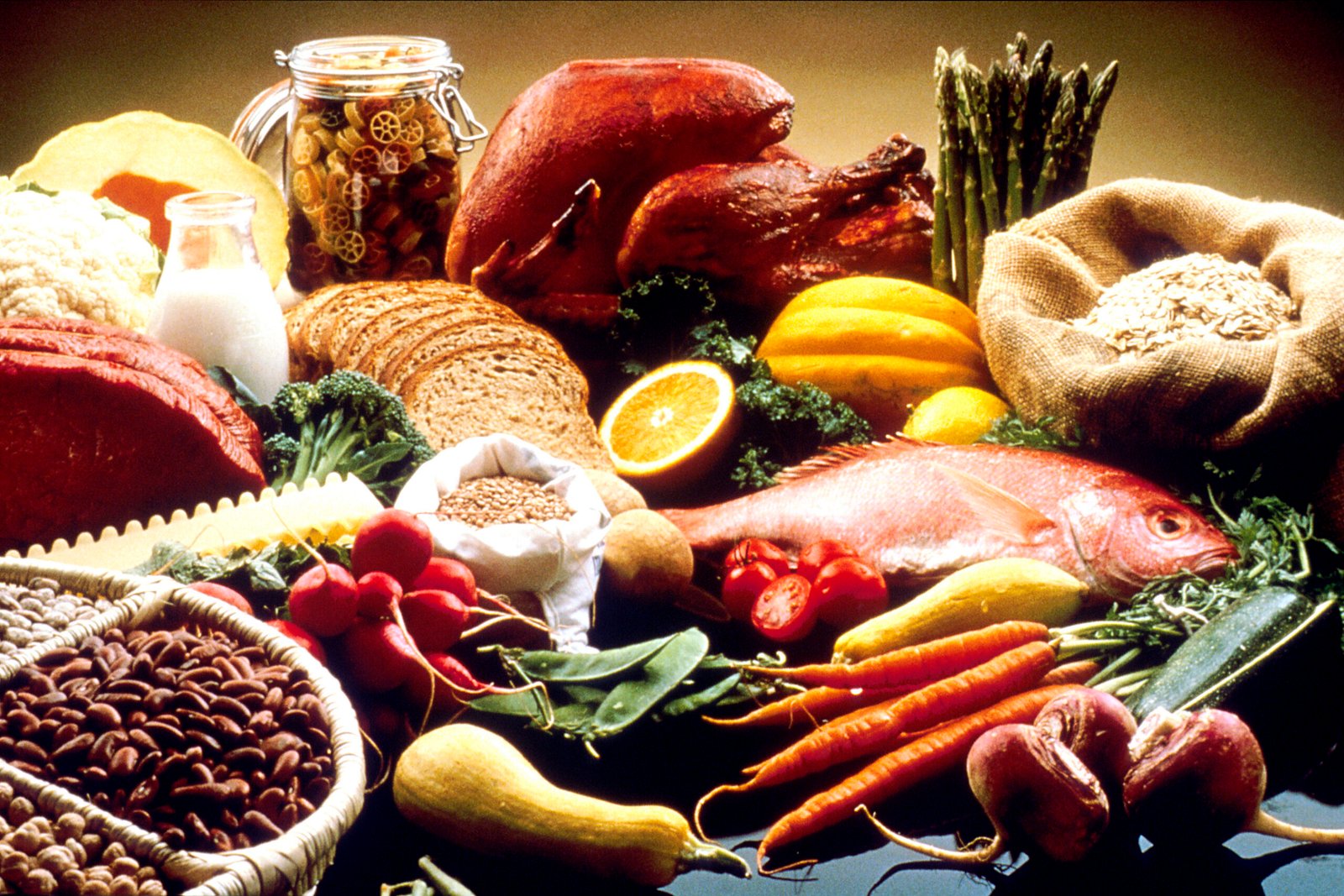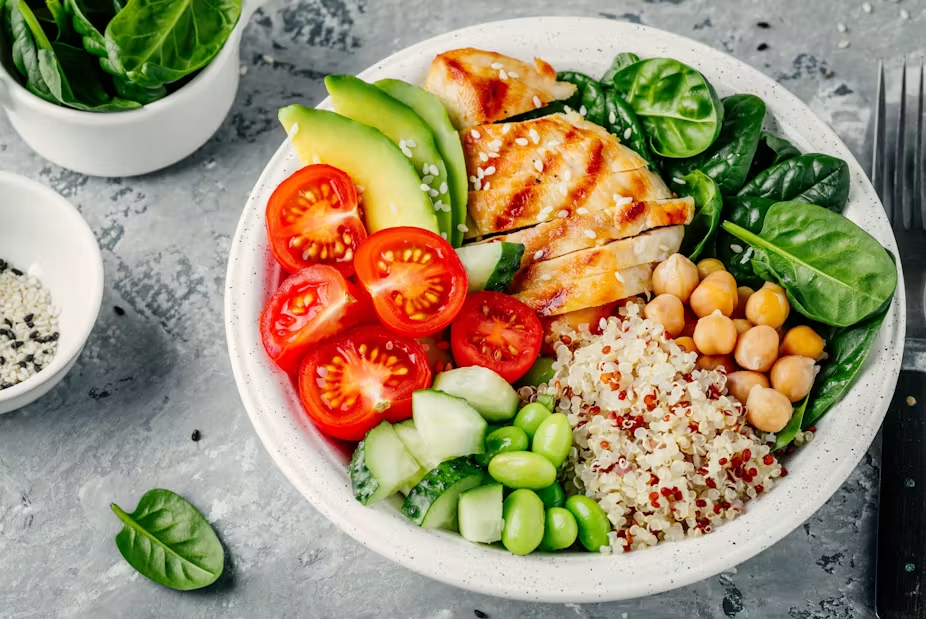
Picture this: it’s a hectic morning, and I’m staring at a box of sugary cereal, tempted by its bright colors and promises of “energy.” But then I remember my grandmother’s kitchen in rural Ohio, where every meal was a vibrant mix of garden-fresh veggies, hearty grains, and a sprinkle of love. That memory pulls me back to reality—food isn’t just fuel; it’s the foundation of how I feel, think, and live. Diet and nutrition aren’t just buzzwords; they’re the unsung heroes behind our energy, immunity, and even our mood. In a world obsessed with quick fixes, let’s explore why what’s on your plate matters more than ever, diving into the science, stories, and strategies to make every bite count.
Why Diet and Nutrition Are the Bedrock of Health
Every cell in your body depends on the nutrients you consume to function optimally. A balanced diet provides the energy for daily tasks, supports mental clarity, and shields against chronic diseases like heart disease and diabetes. Poor nutrition, on the other hand, can lead to fatigue, weakened immunity, and long-term health risks. It’s not just about eating less or more—it’s about eating right.
The Science Behind Nutrition’s Impact
Nutrition is the process of absorbing and using nutrients from food for growth, repair, and maintenance. Macronutrients (carbohydrates, proteins, fats) provide energy, while micronutrients (vitamins, minerals) support metabolic processes. For example, vitamin C boosts immunity, while omega-3s reduce inflammation. A deficiency in any nutrient can disrupt this delicate balance, increasing disease risk.
A Personal Wake-Up Call
I learned this the hard way in my 20s, when late-night pizza runs left me sluggish and foggy. Switching to whole foods—like swapping soda for water and chips for almonds—transformed my energy levels. It wasn’t just physical; my mood stabilized, proving that nutrition shapes more than just your waistline.
Macronutrients: The Power Trio
Macronutrients are the heavy hitters of nutrition, each playing a unique role in keeping your body humming. Think of them as the fuel, building blocks, and protectors of your system. Getting the right balance is key to avoiding energy crashes or long-term health issues.
Carbohydrates: Your Body’s Energy Source
Carbs are your body’s primary fuel, powering everything from your morning jog to your late-night brainstorming. Complex carbs like whole grains and vegetables provide steady energy, while refined sugars cause spikes and crashes. Aim for fiber-rich sources to keep blood sugar stable.
Proteins: The Builders and Repairers
Proteins repair tissues, build muscle, and produce enzymes that keep your body ticking. Sources like legumes, fish, and lean meats are ideal, while processed meats can increase heart disease risk. A friend of mine, a marathon runner, swears by plant-based proteins for recovery—proof of their power.
Fats: Not the Villain You Think
Fats support brain health, hormone production, and nutrient absorption. Unsaturated fats from avocados and olive oil are heart-healthy, while trans fats in processed foods can clog arteries. Moderation and quality are the name of the game here.
Micronutrients: Small but Mighty
While macronutrients take center stage, micronutrients work behind the scenes to keep your body in top shape. These vitamins and minerals are needed in smaller amounts but are critical for everything from bone health to immune defense.
Vitamins: The Body’s Helpers
Vitamins like A, C, and D support vision, immunity, and bone health, respectively. For instance, vitamin D deficiency, common in winter, can weaken bones and mood. Eating a variety of colorful fruits and veggies ensures you get a broad spectrum of these helpers.
Minerals: The Unsung Heroes
Minerals like calcium, iron, and zinc are vital for strong bones, oxygen transport, and immune function. I once battled low energy due to an iron deficiency—adding spinach and lentils to my meals made a world of difference. Small changes, big impact.
The Role of Diet in Preventing Chronic Diseases
Poor nutrition is a major driver of chronic diseases, which affect over half of U.S. adults. A diet high in processed foods and sugars can lead to heart disease, diabetes, and certain cancers, but a nutrient-rich diet can significantly lower these risks.
Heart Disease: A Dietary Battleground
High intakes of saturated fats and sodium contribute to plaque buildup in arteries, leading to heart disease. Diets rich in whole grains, nuts, and fatty fish, like the Mediterranean diet, lower cholesterol and blood pressure. Studies show this approach cuts heart attack risk by up to 30%.
Type 2 Diabetes: Prevention Through Food
Excess sugar and refined carbs can lead to insulin resistance, a precursor to diabetes. Fiber-rich foods like legumes and vegetables stabilize blood sugar, while sugary drinks are a major culprit. My cousin reversed prediabetes by cutting soda and adding quinoa to her meals—a real win.
Cancer: Nutrients as Protectors
Certain foods, like cruciferous vegetables (broccoli, kale), contain compounds that neutralize carcinogens. High red meat consumption, however, is linked to colorectal cancer. A plant-heavy diet offers a protective shield, reducing cancer risk over time.
Mental Health and Nutrition: Feeding Your Mind
Your brain is just as hungry for nutrients as your body. Nutritional psychiatry shows that diets rich in omega-3s, B vitamins, and antioxidants can lower depression and anxiety rates. It’s like giving your mind a warm hug with every meal.
The Gut-Brain Connection
The gut microbiome, influenced by diet, plays a huge role in mental health. Fiber-rich and fermented foods like yogurt and kimchi support beneficial bacteria, reducing inflammation and boosting mood. I started eating Greek yogurt daily, and my stress levels noticeably dropped.
Omega-3s and Mood Stability
Omega-3 fatty acids, found in salmon and walnuts, are linked to lower depression rates. A study showed that women with high omega-3 levels had healthier brain tissue despite air pollution exposure. It’s a reminder that food can protect us in unexpected ways.
Pros and Cons of Popular Diets
Not all diets are created equal. Here’s a breakdown of three popular approaches to help you decide what fits your lifestyle.
Pros:
- Mediterranean Diet: Reduces heart disease and cancer risk; emphasizes tasty, whole foods like olive oil and fish.
- Plant-Based Diet: Lowers diabetes risk and supports gut health; environmentally friendly.
- DASH Diet: Designed to lower blood pressure; flexible for various cultural preferences.
Cons:
- Mediterranean Diet: Can be pricey due to reliance on fresh seafood and nuts.
- Plant-Based Diet: Risk of B12 deficiency if not supplemented; requires planning.
- DASH Diet: May feel restrictive for sodium lovers; less focus on mental health benefits.
Comparing Dietary Approaches
Here’s how three popular diets stack up for specific health goals.
| Diet | Heart Health | Diabetes Prevention | Mental Health | Ease of Following |
|---|---|---|---|---|
| Mediterranean | Excellent (omega-3s, low saturated fat) | Good (fiber-rich) | Strong (anti-inflammatory) | Moderate (costly ingredients) |
| Plant-Based | Good (low cholesterol) | Excellent (high fiber) | Good (gut health focus) | Challenging (nutrient planning) |
| DASH | Excellent (low sodium) | Good (balanced carbs) | Moderate (less brain-specific) | Easy (flexible guidelines) |
The Mediterranean diet shines for overall health, while plant-based is ideal for diabetes prevention. DASH is a safe bet for beginners.
Practical Tips for a Healthier Diet
Adopting a nutritious diet doesn’t mean overhauling your life overnight. Small, sustainable changes can lead to big results. Here are actionable steps to get started:
- Plan Meals Weekly: Save time and avoid junk food traps by prepping meals on Sundays.
- Read Labels: Watch for hidden sugars and sodium in packaged foods.
- Cook at Home: Control portions and ingredients—try a new recipe each week for fun.
- Hydrate Smartly: Aim for 8-10 glasses of water daily; add lemon for flavor.
- Consult Experts: A registered dietitian can tailor a plan to your needs.
Tools and Resources for Better Nutrition
For those ready to take charge, here’s how to navigate the world of nutrition with ease.
Informational Resources: What Is a Balanced Diet?
A balanced diet includes fruits, vegetables, whole grains, lean proteins, and healthy fats in appropriate portions. The USDA’s MyPlate guide suggests filling half your plate with fruits and veggies, a quarter with grains, and a quarter with protein. Check MyPlate.gov for visuals and tips.
Navigational Resources: Where to Get Guidance
Visit EatRight.org from the Academy of Nutrition and Dietetics for expert advice. Local dietitians can be found via their directory. Apps like MyFitnessPal also track nutrient intake.
Transactional Resources: Best Tools for Meal Planning
Apps like Yummly offer personalized recipes, while meal prep containers from Prep Naturals make portion control a breeze. For supplements, brands like Nature Made are trusted—consult your doctor first.
People Also Ask: Real Questions from Google
Based on current search trends, here’s what people are curious about:
- What is the role of nutrition in health? Nutrition provides energy, supports bodily functions, and prevents chronic diseases through a balance of macronutrients and micronutrients.
- How does diet affect mental health? Diets rich in omega-3s, B vitamins, and fiber support mood stability and reduce depression risk by nurturing the gut-brain connection.
- What foods prevent chronic diseases? Fruits, vegetables, whole grains, and fatty fish lower risks of heart disease, diabetes, and cancer due to their nutrient density.
- Can poor nutrition cause disease? Yes, diets high in processed foods and sugars increase risks of obesity, heart disease, and diabetes over time.
- How can I start a healthy diet? Begin with small changes like adding more vegetables, planning meals, and consulting a dietitian for personalized advice.
A Personal Story: From Chaos to Clarity
A few years ago, I hit a wall—constant fatigue, mood swings, and a creeping sense of burnout. A blood test revealed low vitamin D and iron levels, likely from my fast-food-heavy diet. Inspired by a friend who glowed from her plant-based meals, I started experimenting with smoothies, salads, and home-cooked dinners. The shift wasn’t instant, but within weeks, I felt lighter, sharper, and happier. It’s a reminder that nutrition isn’t a chore—it’s a gift to yourself.
There’s humor in my old ways—thinking a drive-thru burger was “dinner” now feels absurd. Emotionally, though, it’s empowering to know that every grocery trip is a chance to invest in my future self. Your plate holds that same power.
FAQ: Your Top Nutrition Questions Answered
Q: Why is a balanced diet important?
A: It provides essential nutrients for energy, immunity, and disease prevention, supporting both physical and mental health.
Q: What foods should I eat daily?
A: Include fruits, vegetables, whole grains, lean proteins, and healthy fats—think berries, salmon, and leafy greens.
Q: Can supplements replace a healthy diet?
A: No, whole foods offer a synergy of nutrients supplements can’t match, though they can fill specific gaps with a doctor’s guidance.
Q: How does diet impact energy levels?
A: Nutrient-dense foods provide steady energy, while sugary or processed foods cause crashes, affecting productivity and mood.
Q: Where can I find reliable nutrition advice?
A: Consult registered dietitians via EatRight.org or follow guidelines from Health.gov.
Wrapping Up: Your Next Step to a Healthier You
Diet and nutrition aren’t about perfection—they’re about progress. Every bite is a choice to fuel your body, protect your health, and even lift your spirits. Whether you’re swapping soda for water or trying a new vegetable, small steps lead to big rewards. Start today, and let your plate be your superpower. For more tips, explore our guide to meal planning or visit Harvard’s Nutrition Source for science-backed advice.
(Word count: 2,612)