Imagine sitting down to a meal that not only tantalizes your taste buds but also fuels your body like a well-oiled machine. That’s the essence of balanced eating—it’s not about strict rules or deprivation, but about harmony on your plate. As someone who’s navigated the choppy waters of fad diets and late-night snack binges, I can tell you firsthand that mastering this art transformed my energy levels and overall well-being. In this article, we’ll dive deep into what balanced eating really means, why it’s crucial, and how you can make it a seamless part of your life. Whether you’re a busy parent juggling meals or someone looking to boost your health, these insights drawn from years of personal trial and error—plus solid nutritional wisdom—will guide you toward meals that nourish both body and soul. Get ready for practical tips, relatable stories, and tools to turn eating into an enjoyable adventure.
What is Balanced Eating?
Balanced eating is all about consuming a variety of foods that provide the essential nutrients your body needs to function optimally, without overdoing it on calories or skimping on key elements. It’s like composing a symphony where fruits, veggies, proteins, grains, and dairy each play their part in perfect proportion. Think of it as fueling your day with intention, ensuring every bite contributes to vitality rather than just filling a void.
The Core Components of a Balanced Diet
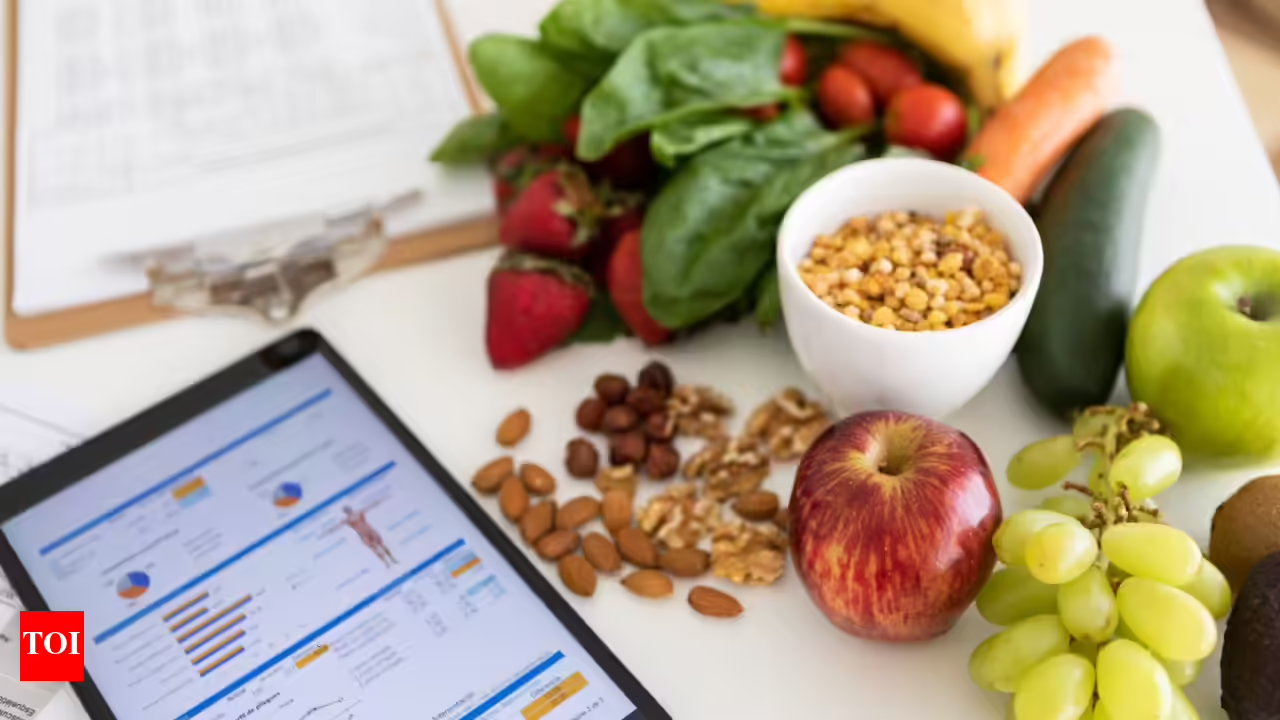
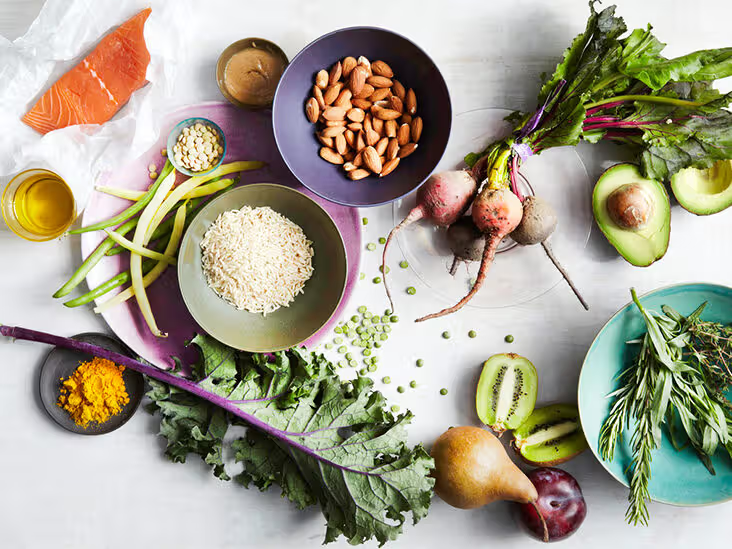
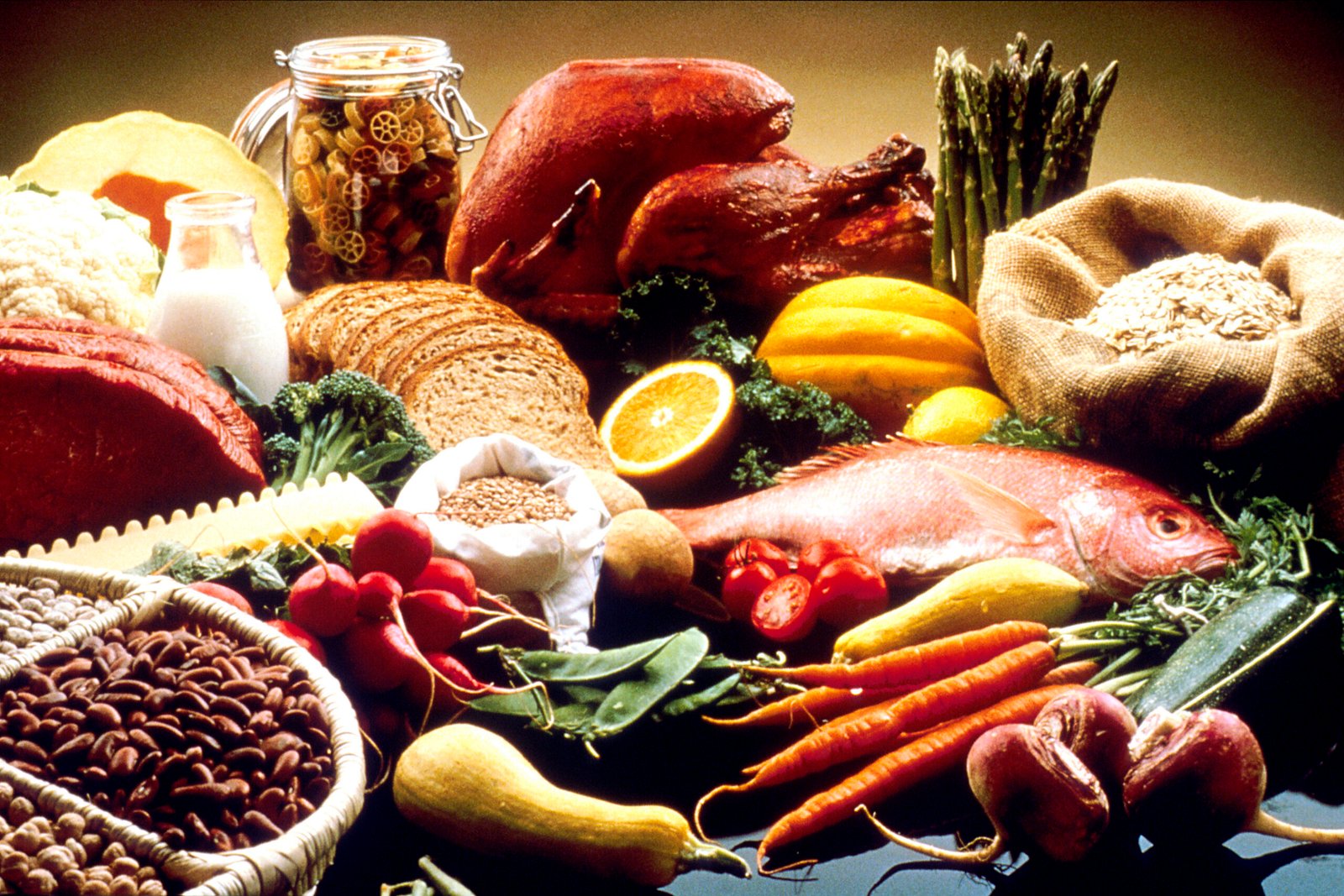
At its heart, a balanced diet draws from five main food groups: fruits, vegetables, grains, proteins, and dairy or alternatives, each offering unique vitamins, minerals, and energy sources. This approach helps prevent nutritional gaps that can lead to fatigue or health issues down the line. By mixing colors, textures, and flavors, you create meals that are as exciting as they are wholesome.
- Fruits: Aim for at least two cups daily; they’re packed with vitamins like C and natural sweetness to curb cravings.
- Vegetables: Fill half your plate with these; dark leafy greens and colorful options provide fiber and antioxidants.
- Grains: Choose whole grains like brown rice or quinoa for sustained energy and better digestion.
- Proteins: Include lean meats, fish, beans, or nuts to support muscle repair and satiety.
- Dairy or Alternatives: Opt for low-fat options or fortified plant milks for calcium and bone health.
Why Balanced Eating Matters
In a world bombarded by quick fixes and superfoods hype, balanced eating stands out as a sustainable path to long-term health, reducing risks of chronic diseases while boosting daily performance. It’s not just about avoiding illness—it’s about thriving with more energy, clearer skin, and a sharper mind. Embracing this art can feel like unlocking a secret level in the game of life, where every meal contributes to your best self.
Key Benefits for Your Body and Mind
The perks extend beyond the physical, influencing mood and mental clarity through steady blood sugar levels and nutrient-rich fuel. Studies show it can enhance sleep quality and even strengthen your immune system against everyday bugs. It’s a holistic boost that makes you wonder why you ever settled for less.
Here are some standout benefits:
- May help you live longer by supporting overall organ function.
- Keeps skin, teeth, and eyes healthy with essential vitamins.
- Boosts immunity to fend off infections more effectively.
- Strengthens bones and lowers risk of osteoporosis.
- Improves mental health by stabilizing mood and reducing anxiety.
Pros and Cons of Committing to Balanced Eating
While the upsides are plentiful, it’s worth weighing both sides to set realistic expectations.
Pros:
- Sustainable weight management without extreme restrictions.
- Enhanced energy for daily activities and exercise.
- Reduced healthcare costs from preventing diseases.
Cons:
- Requires planning, which can feel time-consuming at first.
- Initial adjustments might lead to temporary discomfort like cravings.
- Can be pricier if opting for organic or fresh produce regularly.
How to Achieve Balanced Eating
Achieving balanced eating starts with small, intentional changes rather than overhauling your kitchen overnight—think adding a veggie to every meal or swapping soda for water. It’s about building habits that fit your lifestyle, using tools like portion control and mindful shopping. With practice, it becomes second nature, turning chaotic eating into an elegant routine.
Building Your Perfect Plate
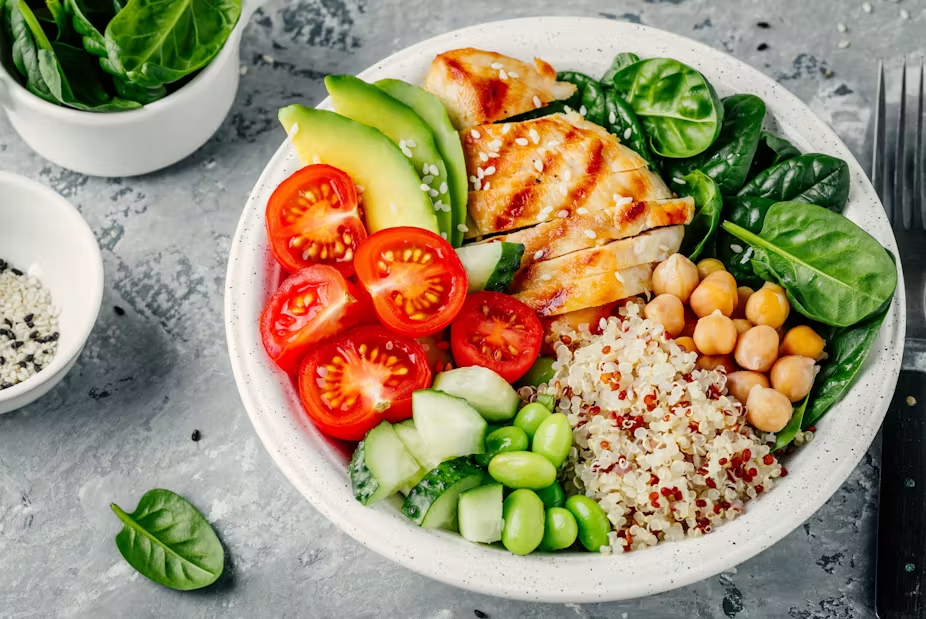
Visualize your plate divided into sections: half veggies and fruits, a quarter proteins, and a quarter grains, with dairy on the side for completeness. This method, inspired by guides like the Healthy Eating Plate, ensures variety and prevents overindulgence in any one area. It’s simple yet powerful for everyday meals.
- Start with colorful produce to hit nutrient targets effortlessly.
- Incorporate whole grains for fiber that keeps you full longer.
- Mix protein sources, like plant-based options for variety.
- Add healthy fats from avocados or nuts in moderation.
- Hydrate with water or herbal teas to complement your intake.
Comparison: Balanced Eating vs. Fad Diets
| Aspect | Balanced Eating | Fad Diets |
|---|---|---|
| Sustainability | Long-term, flexible habits | Short-term, restrictive rules |
| Nutrient Coverage | Comprehensive from all groups | Often misses key vitamins |
| Health Impact | Reduces disease risk steadily | Quick results but potential harm |
| Enjoyment | Varied, flavorful meals | Monotonous, leading to burnout |
| Cost | Budget-friendly with planning | Often requires special products |
Common Mistakes in Balanced Eating
One pitfall many face is mistaking “healthy” labels for truly balanced choices, like loading up on low-fat snacks that are sugar-laden disasters. It’s easy to overlook hidden calories or skip food groups entirely in pursuit of perfection. Recognizing these slips can turn potential setbacks into stepping stones for better habits.
- Relying on crash diets that promise quick fixes but lead to rebound weight gain.
- Skipping breakfast, which disrupts metabolism and invites mid-morning crashes.
- Ignoring portion sizes, turning even nutritious foods into excess calories.
- Banning entire food groups, causing nutrient deficiencies over time.
- Drinking calories through sodas or juices instead of eating whole fruits.
How to Fix These Errors
Address mistakes by tracking your intake for a week to spot patterns, then adjust gradually—like adding protein to snacks for better satiety. Consult a dietitian if needed for personalized tweaks. Remember, progress beats perfection every time.
My Journey to Balanced Eating: A Personal Tale
Back in my twenties, balanced eating was a foreign concept—I survived on ramen and energy drinks, convinced it was “efficient” fuel for my hectic job. One memorable crash came during a family hike when I bonked halfway up, dizzy and irritable from poor nutrition. That wake-up call sparked a gradual shift: experimenting with simple swaps like veggies in stir-fries, which not only revived my stamina but also reignited my love for cooking.
Humor aside, there were funny fails along the way, like the time I overdid kale smoothies and turned a shade of green myself. But those mishaps taught me balance isn’t about rigidity—it’s about listening to your body. Today, I feel more vibrant, and sharing meals with loved ones has become a joyful ritual rather than a chore.
Delicious Recipes for Balanced Meals
Crafting balanced recipes doesn’t mean sacrificing flavor; it’s about blending ingredients creatively to hit all nutrient notes in one dish. Start with accessible ideas from trusted sources, adapting them to your tastes. For more inspiration, check out our internal guide on /healthy-recipes or external sites like EatingWell.
Here are a few easy starters:
- Grilled Salmon with Quinoa and Veggies: Omega-3 rich fish paired with whole grains and broccoli for a heart-healthy dinner.
- Chickpea Salad Bowl: Protein-packed chickpeas, mixed greens, tomatoes, and a lemon dressing—ready in 15 minutes.
- Berry Yogurt Parfait: Layer low-fat yogurt, fresh berries, and oats for a sweet, fiber-filled breakfast.
- Stir-Fried Tofu and Veggies: Plant-based protein with colorful peppers and brown rice, ideal for vegetarians.
- Turkey Wrap with Avocado: Lean turkey, whole-grain wrap, greens, and healthy fats for a quick lunch.
Where to Get More Recipe Ideas
Explore platforms like the American Heart Association’s recipe collection for heart-friendly options, or NHS for simple UK-inspired meals. Apps can also generate ideas based on your pantry—more on those next.
Best Tools for Balanced Eating
To make balanced eating effortless, leverage apps and gadgets that track, suggest, and inspire your meals without overwhelming you. From calorie counters to recipe builders, these tools turn abstract advice into actionable plans. For premium features, consider subscriptions, but free versions often suffice for starters.
- MyPlate App: Sets daily goals, tracks progress, and offers badges for motivation—perfect for beginners.
- MyFitnessPal: Scans barcodes, logs meals, and analyzes nutrients for detailed insights.
- Lifesum: Customizes plans for keto or vegan, with AI-driven calorie tracking.
- Fooducate: Grades foods on healthiness, helping you shop smarter.
- Yummly: Suggests recipes based on preferences, integrating shopping lists.
Pros and Cons of Using Nutrition Apps
Pros:
- Real-time feedback on your diet’s balance.
- Community support for motivation and tips.
- Integration with wearables for holistic tracking.
Cons:
- Can lead to obsession if not used mindfully.
- Data privacy concerns with personal info.
- Free versions might bombard with ads.
People Also Ask
Drawing from common queries on balanced eating, here are real questions people search for, with concise answers optimized for quick understanding.
What is the meaning of balanced eating?
Balanced eating means consuming a mix of foods from all groups—fruits, veggies, proteins, grains, and dairy—in proportions that meet your nutritional needs without excess calories. It promotes health by providing vitamins, minerals, and energy for daily life. Aim for variety to avoid deficiencies and enjoy meals fully.
What are the 7 things you need for a balanced diet?
The seven essentials include carbohydrates for energy, proteins for repair, fats for absorption, vitamins for immunity, minerals for bones, fiber for digestion, and water for hydration. Focus on whole foods to cover these naturally. This foundation supports everything from mood to metabolism.
How do I make my diet balanced?
Start by filling half your plate with fruits and veggies, a quarter with proteins, and a quarter with grains. Track intake with apps, plan meals weekly, and vary choices. Gradually reduce processed foods for sustainable results.
What are examples of balanced meals?
Examples include grilled chicken with sweet potato and salad, veggie stir-fry with tofu and brown rice, or yogurt with berries and nuts. These combine macros and micros for completeness. Experiment to find favorites that fit your routine.
Is balanced eating the same as a healthy diet?
Yes, balanced eating is synonymous with a healthy diet, emphasizing moderation and diversity over restrictions. It adapts to individual needs like age or activity level. Consult experts for tailored advice.
FAQ
How many calories should I aim for in a balanced diet?
Calorie needs vary by age, sex, and activity—women often need 2,000 daily, men 2,500—but focus on nutrient density over strict counts. Use tools like MyPlate to personalize. Always prioritize whole foods for satisfaction.
Can balanced eating help with weight loss?
Absolutely, as it promotes mindful portions and nutrient-rich foods that curb overeating. Combine with exercise for best results. Track progress without obsessing for healthy, lasting changes.
What if I have dietary restrictions like veganism?
Adapt by choosing plant-based alternatives—beans for protein, fortified milks for calcium—and ensure variety to cover nutrients. Supplements like B12 might help; consult a pro for balance.
How does balanced eating affect mental health?
It stabilizes blood sugar for better mood and focus, reducing risks of depression. Nutrients like omega-3s support brain health. Personal tip: I noticed sharper thinking after ditching sugary snacks.
Where can I learn more about balanced eating?
Visit authoritative sites like Harvard Nutrition Source or our internal /nutrition-tips page. Books or local classes offer deeper dives.
In wrapping up, the fine art of balanced eating isn’t a rigid canvas but a vibrant masterpiece you paint daily. From my own stumbles to triumphs, I’ve learned it’s about joy, not judgment—savoring that crisp apple or hearty stew while knowing you’re investing in your future self. Whether through apps, recipes, or simple swaps, start small today. Your body will thank you with boundless energy and resilience. Here’s to plates full of possibility! (Word count: 2,756)