Introduction to the Menendez Case
On August 20, 1989, Lyle and Erik Menendez, then 21 and 18, killed their parents, Jose and Kitty Menendez, in their Beverly Hills mansion. The brutal shotgun murders shocked the nation, sparking a media frenzy that turned the brothers into household names. Fast forward to August 2025, and both brothers faced parole hearings after decades in prison, only to be denied release. This article explores the reasons behind their parole denials, the complexities of their case, and the ongoing debate about justice, abuse, and redemption.
Background of the Menendez Brothers’ Crime
The Menendez brothers’ case is one of the most infamous in American criminal history. Jose Menendez, a wealthy entertainment executive, and his wife, Kitty, were gunned down in their home, with the brothers initially claiming it was a mob hit. Their lavish spending spree post-murders—luxury cars, watches, and even a restaurant purchase—raised suspicions, leading to their arrest in 1990 after Erik confessed to his therapist. The brothers later argued they acted in self-defense, citing years of alleged sexual and emotional abuse by their parents.
The 2025 Parole Hearings: What Happened?
Lyle Menendez’s Parole Denial
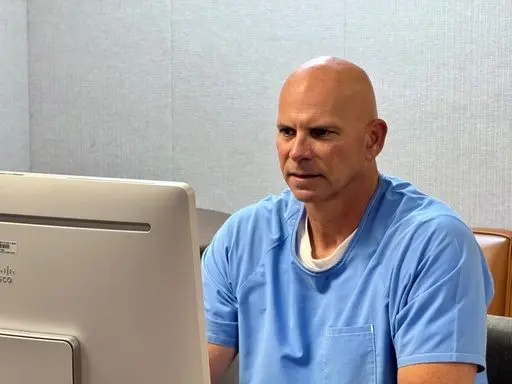
On August 22, 2025, Lyle Menendez, now 57, faced a California parole board via teleconference from the Richard J. Donovan Correctional Facility. After a daylong hearing, the board denied his parole, citing his “unreasonable risk” to public safety due to prison rule violations, notably illicit cellphone use. Despite his expressions of remorse, the board emphasized his history of deception and rule-breaking as evidence of ongoing concerns.
Erik Menendez’s Parole Denial
A day earlier, on August 21, 2025, Erik Menendez, 54, endured a nearly 10-hour hearing, only to be denied parole as well. The board pointed to his prison infractions, including cellphone violations, drug smuggling, and involvement in a tax scheme with a prison gang. Commissioners described his behavior as “selfish” and indicative of a belief that rules don’t apply to him, overshadowing his positive contributions like counseling inmates and earning a college degree.
Why Were the Menendez Brothers Denied Parole?
Key Factors in Parole Denial
The parole board’s decisions hinged on several critical factors:
- Prison Rule Violations: Both brothers had recent infractions involving illegal cellphones, which the board viewed as serious breaches. Commissioners noted that such violations could facilitate criminal activity, like drug smuggling or coordinating attacks.
- Nature of the Crime: The brutal, “execution-style” killing of Kitty Menendez was a focal point, with commissioners highlighting a lack of empathy, particularly in Erik’s case. The board also questioned the brothers’ claim of imminent danger, suggesting they could have sought help instead.
- Perceived Lack of Accountability: Prosecutors argued that the brothers have not fully accepted responsibility, pointing to their initial lies about the murders and their spending spree afterward as evidence of manipulation.
- Risk Assessments: A prior assessment labeled both brothers as “moderate risk” for future violence, which, while not prohibitive, contributed to the board’s cautious stance. Only 22% of California inmates with this rating are granted parole.
Comparison of Lyle and Erik’s Hearings
| Aspect | Lyle Menendez | Erik Menendez |
|---|---|---|
| Date of Hearing | August 22, 2025 | August 21, 2025 |
| Duration | Approximately 11 hours | Nearly 10 hours |
| Key Infraction | Illicit cellphone use (2018–2024) | Cellphone use, tax scheme, drug smuggling |
| Board’s Reasoning | Deception, rule-breaking, public risk | Selfish behavior, lack of empathy |
| Next Parole Eligibility | 2028 (or earlier with petition) | 2028 (or earlier with petition) |
While both brothers faced similar scrutiny, Erik’s more extensive prison violations, including ties to a prison gang, weighed heavily against him. Lyle’s infractions were fewer but still significant enough to tip the scales.
The Role of Abuse Allegations in the Case
The Brothers’ Claims of Abuse
During their trials and parole hearings, Lyle and Erik alleged years of sexual abuse by their father, Jose, starting in childhood. Lyle described being molested from ages 6 to 8, while Erik claimed the abuse continued into his teens. They also accused their mother, Kitty, of emotional abuse and, in Lyle’s case, sexual misconduct, which he described as a “special” relationship he didn’t initially see as abusive. These claims were central to their self-defense argument, suggesting they killed out of fear their parents would harm them to silence their accusations.
Public and Legal Response to Abuse Claims
The abuse allegations have polarized opinions. Supporters, including family members, argue the brothers were victims of a toxic household, driven to desperation. Critics, like Los Angeles County District Attorney Nathan Hochman, dismiss these claims as unproven, pointing to the brothers’ initial lies and financial motives. The 2024 Netflix series Monsters: The Lyle and Erik Menendez Story reignited public sympathy, but the parole board emphasized that it wasn’t retrying the case or validating the defense.
The Legal Journey: From Conviction to Parole Eligibility
Initial Trials and Sentencing
The Menendez brothers’ first trial in 1993 ended in a hung jury, with jurors divided over the abuse claims. A second trial in 1996, which excluded much of the abuse evidence, resulted in their conviction for first-degree murder and sentences of life without parole. The case became a media spectacle, amplified by live courtroom broadcasts and public fascination with the brothers’ privileged upbringing.
Resentencing in 2025
In May 2025, Judge Michael Jesic resentenced the brothers to 50 years to life, citing their youth at the time of the crime and their positive contributions in prison, such as mentoring inmates and community programs. This resentencing, spurred by renewed public interest and advocacy, made them eligible for parole under California’s youth offender laws. However, the parole board’s focus on their prison conduct overshadowed these factors.
The Impact of Media and Public Opinion
The Netflix Effect
The 2024 Netflix series Monsters: The Lyle and Erik Menendez Story brought the case back into the spotlight, portraying the brothers as complex figures shaped by trauma. While criticized for dramatization, it fueled public support and prompted former DA George Gascón to recommend resentencing in October 2024. Posts on X reflected this shift, with users debating the brothers’ culpability and sharing clips of their emotional courtroom moments.
Family and Supporter Advocacy
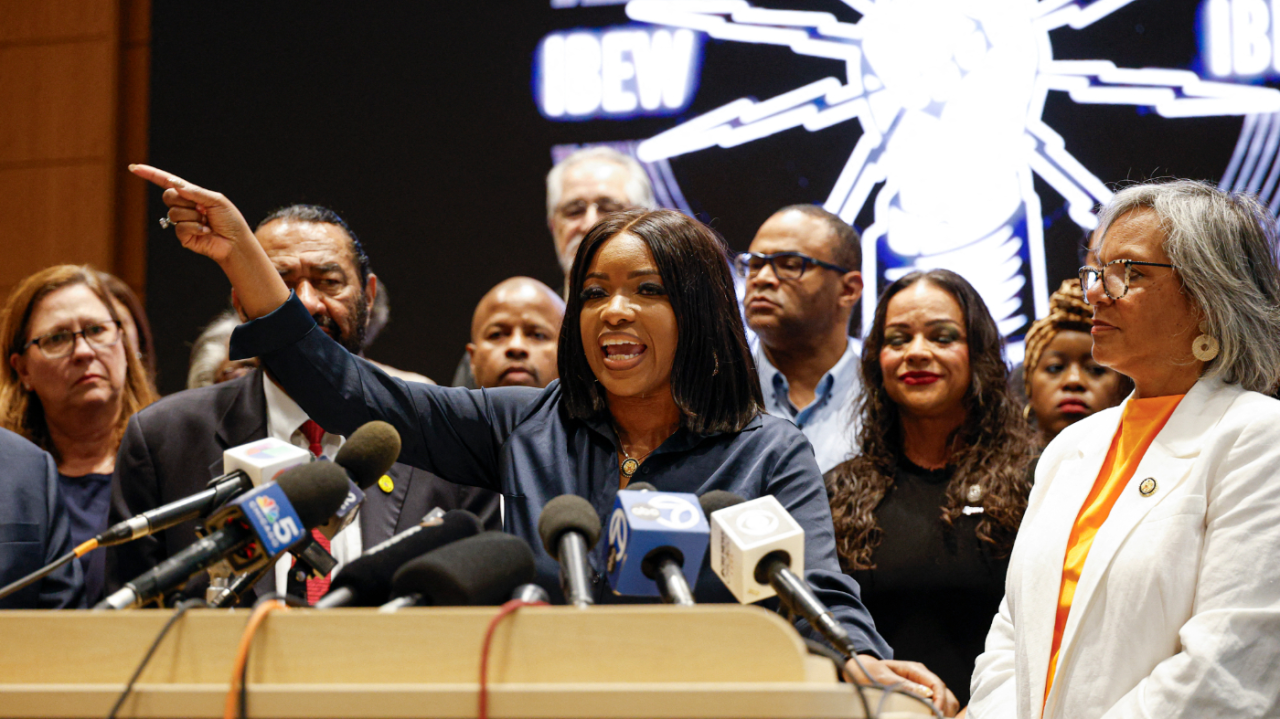
Over a dozen family members, including Jose’s sister Teresita Menendez-Baralt, spoke at the hearings, advocating for the brothers’ release. They highlighted their remorse, rehabilitation, and contributions, like Lyle’s mentorship programs. A family statement expressed disappointment but optimism, noting the brothers’ ongoing habeas petition and potential clemency from Governor Gavin Newsom.
Pros and Cons of Granting Parole
Pros of Parole
- Rehabilitation Efforts: Both brothers have earned degrees, counseled inmates, and built rehabilitation programs, suggesting personal growth.
- Youth at Time of Crime: At 21 and 18, their age supports arguments for leniency under youth offender laws.
- Family Support: Relatives, including Kitty’s great-niece, have pledged to provide stable homes, reducing recidivism risks.
- Public Sentiment: Renewed interest and sympathy, fueled by media, could ease their societal reintegration.
Cons of Parole
- Prison Misconduct: Repeated cellphone violations and Erik’s gang ties raised concerns about rule-following.
- Severity of Crime: The brutal nature of the murders, especially Kitty’s killing, remains a sticking point for the board and prosecutors.
- Risk to Public: The “moderate risk” assessment and history of deception suggest potential danger if released.
- Lack of Full Accountability: Prosecutors argue the brothers’ initial lies and spending spree undermine their remorse claims.
What’s Next for the Menendez Brothers?
Legal Avenues for Release
Despite the denials, the brothers have options:
- Administrative Review: They can request a review for factual errors in the parole decisions, potentially leading to earlier hearings.
- Petition to Advance: Both can petition for parole hearings before 2028, possibly within 18 months.
- Habeas Petition: A pending petition for a new trial, based on new evidence of abuse, is still under review.
- Clemency: Governor Newsom could grant clemency, though political considerations may make this unlikely.
Potential Challenges
The brothers face hurdles, including opposition from DA Nathan Hochman, who argues they remain untruthful about the murders. Public opinion, while sympathetic, is divided, and Newsom’s potential 2028 presidential run could deter clemency due to political backlash. Additionally, their prison infractions continue to undermine their case for release.
People Also Ask (PAA)
Why were the Menendez brothers denied parole?
The parole board cited ongoing prison rule violations, particularly illicit cellphone use, and concerns about public safety. The brutal nature of the 1989 murders and questions about the brothers’ accountability also played a role.
What crimes did the Menendez brothers commit?
Lyle and Erik Menendez were convicted of first-degree murder for killing their parents, Jose and Kitty Menendez, with shotguns in their Beverly Hills home on August 20, 1989. They claimed self-defense due to alleged abuse, but prosecutors argued financial gain was the motive.
Can the Menendez brothers still be released?
Yes, they can reapply for parole in 2028 or earlier if they petition to advance. They also have a pending habeas petition for a new trial, and Governor Newsom could grant clemency, though this is uncertain.
How has the Netflix series impacted their case?
The 2024 Netflix series Monsters: The Lyle and Erik Menendez Story renewed public interest, leading to their resentencing in May 2025 and increased advocacy. However, the parole board focused on their prison conduct, not media portrayals.
Reflecting on Justice and Redemption
The Menendez case forces us to grapple with tough questions: Can someone who commits a heinous crime be redeemed? How do we weigh childhood trauma against adult actions? I remember watching the trials as a teenager, glued to the TV as the brothers’ tearful testimonies clashed with prosecutors’ cold calculations. It felt like a real-life soap opera, but the stakes were painfully real. The parole denials remind us that justice isn’t just about punishment—it’s about balancing accountability with the potential for change.
Tools and Resources for Following the Case
Best Tools for Staying Updated
- News Aggregators: Apps like Google News or Feedly compile updates on the Menendez case from sources like NBC, ABC, and AP.
- Court Records: Websites like PACER provide access to legal documents, including habeas petitions, though they require a subscription.
- Social Media Monitoring: Follow hashtags like #MenendezBrothers on X for real-time sentiment and updates.
- Documentaries and Series: Platforms like Netflix and Peacock offer in-depth looks at the case, though they may sensationalize details.
Where to Get Legal Information
- California Department of Corrections and Rehabilitation (CDCR): Offers parole hearing schedules and outcomes.
- Legal Aid Organizations: Groups like the Innocence Project provide resources on habeas petitions and clemency processes.
- Law Libraries: Online platforms like Justia or FindLaw explain California’s parole and youth offender laws.
FAQ Section
Why did the Menendez brothers kill their parents?
Lyle and Erik claimed they killed Jose and Kitty Menendez in self-defense, fearing their parents would kill them to cover up years of sexual and emotional abuse. Prosecutors argued the motive was to inherit their parents’ multimillion-dollar estate.
How long have the Menendez brothers been in prison?
As of August 2025, the brothers have been incarcerated for nearly 36 years, since their arrest in March 1990.
What are the chances of clemency for the Menendez brothers?
Clemency from Governor Newsom is possible but uncertain, given political implications and opposition from the DA’s office. Their habeas petition and potential for earlier parole hearings offer alternative paths.
Did the Netflix series change public perception of the case?
The series Monsters: The Lyle and Erik Menendez Story increased sympathy by highlighting the brothers’ abuse claims, but it also faced criticism for dramatization. It influenced their resentencing but didn’t sway the parole board.
Can the brothers appeal their parole denials?
Yes, they can request an administrative review for errors in the parole decisions or petition for earlier hearings. Their habeas petition for a new trial is also pending.
Conclusion: A Case That Continues to Captivate
The Menendez brothers’ parole denials in August 2025 mark another chapter in a saga that’s gripped the public for decades. Their story—equal parts tragedy, crime, and redemption—challenges us to rethink justice, trauma, and second chances. As they prepare for future hearings or legal battles, the world watches, wondering if these brothers, once vilified, can ever walk free. For now, they remain behind bars, their fate hinging on a delicate balance of remorse, rehabilitation, and public safety.