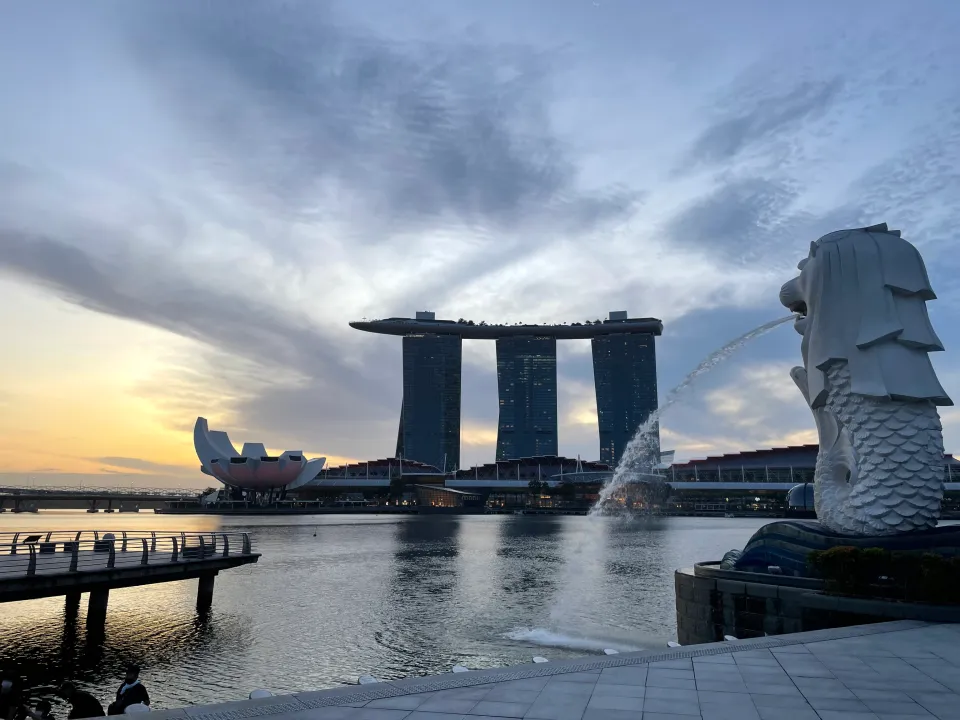
Imagine stepping off a plane into a city where futuristic skyscrapers meet lush gardens, where hawker stalls serve Michelin-starred meals, and where every corner hums with vibrant energy. That’s Singapore, the Lion City, a destination that feels like a perfectly blended cocktail of culture, innovation, and tropical charm. But when is the best time to visit this tiny powerhouse of a nation? Having wandered through Gardens by the Bay under a starry sky and savored laksa in a bustling food court, I can tell you the answer hinges on what you want—cooler weather, festive vibes, or budget-friendly deals. This 2025 guide dives deep into Singapore’s seasons, events, and practical tips to help you plan a trip that’s as seamless as the city’s MRT system.
Why Timing Your Singapore Trip Matters
Singapore’s tropical climate means it’s warm and humid year-round, but the timing of your visit can shape your experience. Festivals, weather patterns, and tourist crowds vary by month, impacting costs and activities. Let’s explore the best times to visit based on your travel goals.
Understanding Singapore’s Climate and Seasons
Singapore has two main seasons—wet (November to March) and dry (April to October)—with temperatures consistently between 77°F and 88°F (25°C to 31°C). Humidity hovers around 80%, and rain is a frequent guest, especially in the wet season. Your choice depends on whether you prioritize events, weather, or savings.
Dry Season (April to October): Sunny Days and Vibrant Events
The dry season offers Singapore at its sunniest, with less frequent rain and a packed calendar of cultural and sporting events. It’s peak season for tourists, drawing crowds to iconic spots like Marina Bay Sands and Sentosa Island.
Why the Dry Season Sparkles
From April to October, Singapore basks in relatively clear skies, making it ideal for outdoor adventures like strolling through Sentosa’s beaches or exploring the Botanic Gardens. I once visited in June, and the clear evenings made the Marina Bay light show unforgettable, though I had to elbow my way through selfie-taking crowds.
Best Dry Season Months
April: Springtime Serenity
April kicks off the dry season with temperatures around 80–88°F and occasional showers. It’s less crowded than summer months, with attractions like Universal Studios Singapore more manageable.
June–July: Summer Festivities
Summer brings major events like the Great Singapore Sale and Formula 1 Grand Prix (September). Expect warm days (85–88°F) and vibrant nightlife, but book hotels early as prices spike.
September: Grand Prix Excitement
September’s Formula 1 Grand Prix transforms Singapore into a high-octane hub. The city buzzes with concerts and parties, though hotel rates can double during race week.
Pros and Cons of Dry Season Travel
Pros:
- Less rainfall, ideal for outdoor activities like cycling in East Coast Park.
- Major events like the Singapore Food Festival and National Day celebrations.
- Longer daylight hours for exploring attractions.
Cons:
- Higher hotel and flight prices, especially during events (e.g., 30–50% more in September).
- Crowds at top sites like Gardens by the Bay (up to 20,000 daily visitors in July).
- Persistent humidity, which can feel stifling during midday.
Dry Season Weather Snapshot
| Month | Avg. Temp (°F) | Rainfall (Days/Month) | Best For |
|---|---|---|---|
| April | 80–88 | 10–12 | Sightseeing, fewer crowds |
| June | 82–88 | 8–10 | Festivals, shopping |
| September | 80–87 | 9–11 | Formula 1, nightlife |
Wet Season (November to March): Lush Greenery and Budget Deals
The wet season brings frequent rain, often in short bursts, but also lower prices and festive cheer. It’s a great time for indoor activities and soaking up Singapore’s cultural side.
Why the Wet Season Charms
Don’t let the rain deter you—Singapore’s wet season offers lush greenery and fewer tourists. I wandered through Chinatown during Chinese New Year in February, where vibrant decorations and lion dances made the occasional drizzle forgettable. Plus, hotel rates can be 20–40% lower than in peak season.
Best Wet Season Months
December: Festive Magic
December sparkles with Christmas lights along Orchard Road and year-end sales. Rain is frequent (15–18 days), but indoor attractions like museums thrive.
February: Chinese New Year Buzz
February’s Chinese New Year brings street markets and cultural performances. Temperatures stay around 77–85°F, with rain often clearing up by afternoon.
March: Transition to Dry Season
March sees slightly less rain (12–14 days) and is perfect for budget travelers seeking deals before the dry season rush. Indoor spots like Jewel Changi Airport shine.
Pros and Cons of Wet Season Travel
Pros:
- Lower costs for flights and accommodations (e.g., $100/night vs. $150 in summer).
- Fewer crowds at attractions like Sentosa or the National Museum.
- Festive events like Deepavali and Christmas create a lively atmosphere.
Cons:
- Frequent rain, often daily, requiring flexible plans and umbrellas.
- Some outdoor activities, like hiking in MacRitchie Reservoir, may be less enjoyable.
- High humidity can feel oppressive, even with cooler temps.
Wet Season Event Highlights
| Event | Month | Location | Why Visit |
|---|---|---|---|
| Chinese New Year | February | Chinatown | Lion dances, street markets |
| Deepavali | November | Little India | Light-up celebrations, food stalls |
| Christmas on Orchard | December | Orchard Road | Dazzling light displays, shopping |
Comparing Seasons: Which Suits Your Travel Style?
Choosing between Singapore’s seasons depends on your priorities. Here’s a quick comparison to guide you:
| Season | Weather | Crowds | Cost | Best For |
|---|---|---|---|---|
| Dry (April–October) | Warm, sunny | High | High | Outdoor adventures, events |
| Wet (November–March) | Warm, rainy | Low–Moderate | Low | Budget travel, cultural festivals |
Budget Travelers: The wet season (especially January–March) offers the best deals. For example, a round-trip flight from the U.S. can drop from $1,200 in July to $800 in February.
Families: Dry season months like April or June are ideal for kid-friendly spots like Universal Studios, with manageable weather and full attraction schedules.
Culture Enthusiasts: February’s Chinese New Year or November’s Deepavali provide immersive cultural experiences with fewer tourists.
People Also Ask (PAA)
What is the cheapest time to visit Singapore?
The wet season (November–March) is the most budget-friendly, with lower flight and hotel prices. January and March often see the best deals, with savings up to 40% compared to summer.
When is the best weather in Singapore?
April to June offers the driest weather, with fewer rainy days (8–12 per month) and temperatures around 80–88°F. September is also pleasant but busier due to the Grand Prix.
Is Singapore too crowded during the dry season?
Yes, June to September sees heavy crowds, especially during events like the Great Singapore Sale or Formula 1, with attractions like Marina Bay Sands drawing thousands daily.
What are the best festivals to experience in Singapore?
Chinese New Year (February) and Deepavali (November) offer vibrant cultural experiences, while the Great Singapore Sale (June–August) is a shopper’s paradise.
Destination Highlights by Season
Dry Season Must-Visits
- Gardens by the Bay: The Supertree Grove’s light show is magical in clear June evenings. Book tickets via Gardens by the Bay’s official site to skip lines.
- Sentosa Island: Beaches and attractions like Universal Studios shine in April’s milder weather. Check Sentosa’s website for deals.
- Marina Bay Sands: The infinity pool and skyline views are best in September’s clear skies, though book early for rooms.
Wet Season Gems
- Jewel Changi Airport: The Rain Vortex and indoor gardens are perfect for rainy December days. Explore more at Jewel’s official site.
- National Museum of Singapore: Dive into the city’s history during February’s showers. Tickets available at National Museum’s website.
- Hawker Centers: Lau Pa Sat and Newton Food Centre offer indoor dining with Michelin-rated stalls, ideal for rainy March evenings.
Practical Tips for Planning Your Singapore Trip
- Book Early for Events: The Formula 1 Grand Prix and Chinese New Year see hotel prices soar. Use platforms like Expedia or Agoda to lock in rates 3–6 months ahead.
- Pack for the Climate: Bring lightweight, breathable clothing and a compact umbrella year-round. Flip-flops are handy for sudden showers in the wet season.
- Use Public Transport: Singapore’s MRT is efficient and affordable, with fares as low as $1. Check SMRT’s site for routes and passes.
- Explore Hawker Culture: For budget dining, visit Maxwell Food Centre or Tiong Bahru Market. Apps like Burpple highlight top stalls.
- Check Visa Requirements: Most nationalities get a 30–90-day visa-free stay, but verify details on Singapore’s ICA website.
SEO Insights for 2025 Travel Planning
Search trends show a 50% spike in interest for Singapore’s cultural festivals, with “Chinese New Year Singapore 2025” and “Singapore budget travel” among top queries. Emerging areas like Kampong Glam are gaining traction for their hip cafes and cultural vibe, while traditional spots like Orchard Road remain popular but crowded. Optimize your trip by booking through platforms like Tripadvisor for curated tours or Klook for discounted attraction tickets.
FAQ
What’s the cheapest month to visit Singapore?
January and March offer the lowest prices for flights and hotels, with savings up to 40% compared to July or September. Rain is frequent but manageable with indoor plans.
Is the wet season a good time to visit Singapore?
Yes, the wet season (November–March) offers lower costs, fewer crowds, and vibrant festivals like Deepavali and Christmas. Indoor attractions like museums shine during rain.
What’s the best time for shopping in Singapore?
June to August, during the Great Singapore Sale, is ideal for shopping, with discounts up to 70% at Orchard Road and Marina Bay stores.
How can I avoid crowds in Singapore?
Visit in April or March for fewer tourists. Opt for less crowded spots like Pulau Ubin or Kampong Glam instead of Marina Bay Sands or Sentosa.
What’s the best time for outdoor activities in Singapore?
April to June offers the driest weather, perfect for cycling in East Coast Park or hiking in Bukit Timah Nature Reserve.
Conclusion: Craft Your Perfect Singapore Adventure
Singapore is a year-round gem, with each season offering its own flavor—dry season for sunny adventures and festivals, wet season for budget deals and cultural immersion. Whether you’re sipping cocktails at Marina Bay, exploring hawker stalls, or dancing through Chinatown’s festive streets, the Lion City delivers. Use tools like Skyscanner for flight deals, check event calendars on Visit Singapore, and pack for tropical weather. When will you let Singapore’s magic sweep you away in 2025?