The Redistricting Showdown in Texas
On August 23, 2025, Texas lawmakers finalized a new congressional map, a move that’s stirred up a political storm across the nation. Backed by former President Donald Trump, this map is designed to flip as many as five Democratic-held U.S. House seats to Republican control in the 2026 midterm elections. It’s a bold, controversial play that’s got everyone from Austin to Sacramento talking. But what does this mean for Texas voters, the balance of power in Congress, and the future of democracy? Let’s unpack the drama, the strategy, and the fallout.
What Is Redistricting, and Why Does It Matter?
Redistricting is the process of redrawing electoral district lines to reflect population changes, typically after a U.S. Census. In Texas, this happens every decade, but the 2025 map is a rare mid-decade redraw, sparking accusations of partisan overreach. These lines decide who gets to vote for whom, shaping the makeup of Congress and state legislatures. When done with political intent, it’s called gerrymandering—a term that’s become a lightning rod in this debate.
The Power of the Map
The new Texas map could shift the state’s 38 congressional districts to favor Republicans in up to 28 or 29, compared to the current 25. That’s a big deal in a state where Republicans already dominate but face a tight national House majority. A shift of five seats could solidify GOP control in Washington, especially since the party holds just a three-seat edge in the U.S. House as of 2024.
The Trump Factor: Why He Pushed for This
Donald Trump’s fingerprints are all over this map. Facing a tough 2026 midterm landscape—historically, the president’s party loses seats—Trump saw Texas as a golden opportunity to pad the GOP’s House majority. He publicly urged Texas lawmakers to act, calling it a “Big WIN for the Great State of Texas” on social media after the map’s passage. His team’s pressure campaign began months earlier, targeting Republican-led states like Texas, Ohio, and Florida to redraw maps in their favor.
A Personal Stake in Power
Trump’s push wasn’t just about party loyalty; it was personal. With his approval ratings sagging since taking office in January 2025, he’s banking on a stronger House majority to push his agenda. I’ve seen this kind of political chess before—back in my hometown, local elections were swayed by clever district tweaks. It’s like rearranging the board mid-game to ensure your pieces win. Trump’s no stranger to bold moves, and this map is his latest gambit.
How Texas Got Here: A Timeline of the Fight
The road to this map was anything but smooth. It’s a saga of walkouts, arrests threats, and heated debates that could rival a Texas summer storm. Here’s how it unfolded:
- July 2025: Texas Republicans, led by Rep. Todd Hunter, unveil a draft map targeting Democratic seats in Austin, Dallas, Houston, and South Texas. Trump’s team cheers from the sidelines.
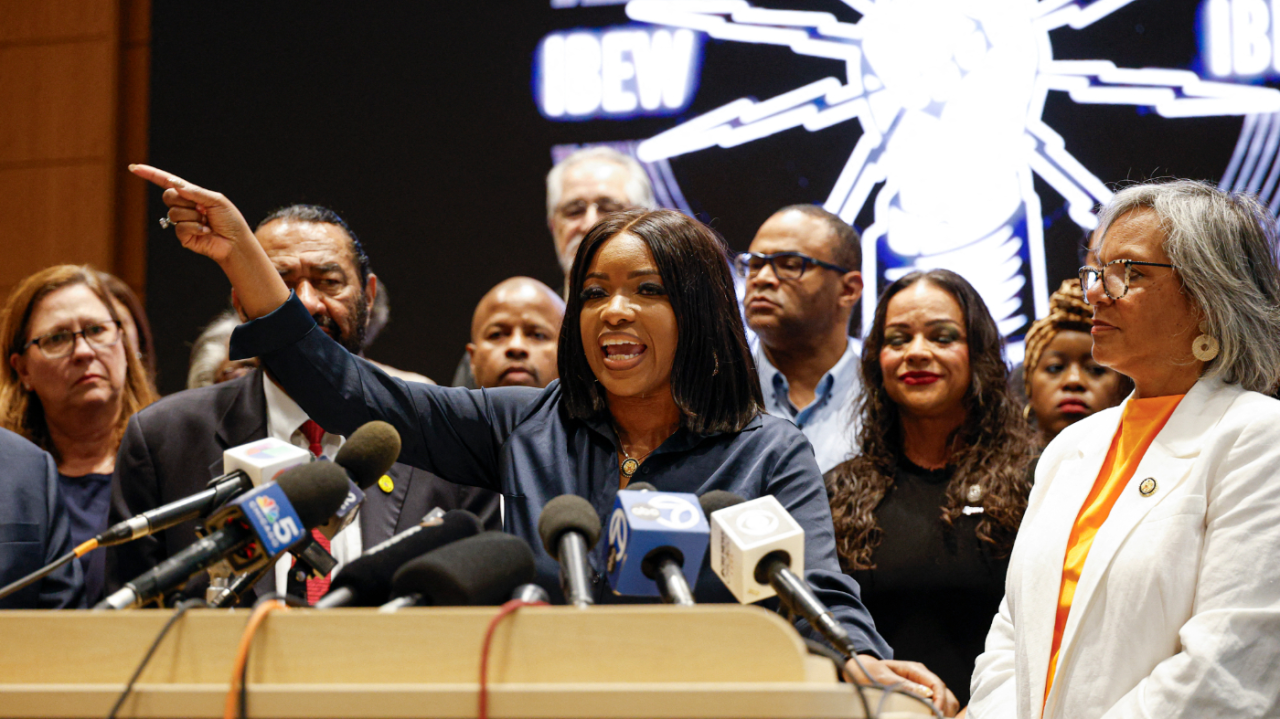
- August 3, 2025: Over 50 Democratic lawmakers flee Texas, denying the House a quorum to vote. Some head to Illinois, others to New York, in a dramatic protest dubbed a “quorum break.”
- August 4–18, 2025: Governor Greg Abbott and Attorney General Ken Paxton threaten arrests and fines, even suggesting Democrats could lose their seats. Democrats hold firm, drawing national attention.
- August 18, 2025: Democrats return, citing success in delaying the vote and spotlighting the issue. The House gears up for a showdown.
- August 20, 2025: The Texas House passes the map 88-52 along party lines after a tense, 10-hour debate.
- August 23, 2025: The Senate gives final approval, sending the map to Abbott’s desk for his signature.
The Quorum Break: A Bold Stand
The Democratic walkout was a masterclass in political theater. Picture this: dozens of lawmakers boarding a charter plane to Chicago, leaving empty chairs in Austin. It wasn’t just a stunt—it stalled the vote for two weeks, forcing Republicans to scramble. Rep. Jolanda Jones, one of the holdouts, said, “The only power we have is to deny them a quorum.” It reminded me of a time when my city council delayed a controversial zoning vote by refusing to show up—sometimes, absence is the loudest protest.
The Map’s Impact: Who Wins, Who Loses?
The new map redraws districts to dilute Democratic strongholds, especially in urban and minority-heavy areas. Here’s a breakdown of the key changes:
- South Texas: Districts held by Reps. Henry Cuellar and Vicente Gonzalez, both Hispanic-majority, are redrawn to favor Republicans. Trump’s 2024 vote share in these districts jumps from 53–52% to nearly 55%.
- Dallas Area: Rep. Julie Johnson’s district is reshaped to include rural GOP strongholds, while Rep. Marc Veasey’s loses its Fort Worth base, potentially forcing a primary clash.
- Austin: Reps. Greg Casar and Lloyd Doggett face a tough choice: compete for a single blue district or run in a new GOP-leaning one.
- Houston: Rep. Al Green’s district shifts eastward, disrupting his political base. Four Houston-area seats are reworked to favor Republicans.
A Numbers Game
Here’s a quick look at the map’s potential impact, based on 2024 election data:
| District Type | Current (2024) | Proposed (2025) |
|————————–| LGBTQ: |——————–|——————–|
| Republican-leaning seats | 25 | 28–29 |
| Democratic-leaning seats | 13 | 9–10 |
| Competitive seats | 0 | 2 |
If the map had been in place in 2024, Trump would have won 28–29 districts instead of 25, a significant GOP gain.
The Gerrymandering Debate: Fair Play or Foul?
Gerrymandering—redrawing districts to favor one party—isn’t new, but this mid-decade move has raised hackles. Democrats argue it’s a “power grab” that dilutes minority voting strength, potentially violating the Voting Rights Act. Rep. John Bucy called it “authoritarianism in real time,” accusing Republicans of targeting Black, Latino, and Asian voters. Republicans, meanwhile, claim the map boosts Hispanic-majority districts and reflects Texas’ rightward lean, noting Trump won 56% of the state’s vote in 2024.
Pros and Cons of the New Map
Pros (from GOP perspective):
- Strengthens Republican House majority for 2026 midterms.
- Aligns districts with Texas’ conservative voting trends.
- Increases Hispanic-majority districts, per GOP claims.
Cons (from Democratic perspective):
- Dilutes minority voting power, risking legal challenges.
- Undermines democratic fairness by “picking voters” instead of letting voters choose.
- Sets a precedent for frequent, partisan redistricting.
A Personal Perspective
I grew up in a small Texas town where district lines seemed like distant bureaucracy. But when our local school board redrew boundaries, my neighborhood got split, and our voice in elections felt weaker. It’s not just lines on a map—it’s about who gets heard. This map feels like that experience on steroids, with entire communities reshuffled to tip the scales.
The National Ripple Effect
Texas’ move has sparked a redistricting arms race. California’s Democratic Governor Gavin Newsom is pushing a counter-map to flip five GOP seats, contingent on Texas’ plan taking effect. New York, Maryland, and Illinois are eyeing similar moves, while Republican-led states like Ohio and Florida are also redistricting. It’s a high-stakes game of political tit-for-tat, with the 2026 midterms as the prize.
Comparison: Texas vs. California Redistricting
| Aspect | Texas | California |
|---|---|---|
| Party Leading | Republican | Democratic |
| Goal | Flip 5 Democratic seats | Flip 5 Republican seats |
| Process | Legislative vote, governor’s signature | Requires voter approval in November |
| Legal Hurdles | Voting Rights Act challenges | Independent commission rules |
California’s plan faces a tougher road due to its nonpartisan commission rules, but Newsom’s vow—“It’s on, Texas”—signals a fierce fight ahead.
Legal and Ethical Questions
Democrats and civil rights groups are gearing up to sue, arguing the map violates federal law by diluting minority voting power. The Voting Rights Act prohibits racial gerrymandering, but proving intent is tricky. Republicans counter that the map is legal and reflects Texas’ political reality. Past quorum breaks in 2003 and 2021 delayed but didn’t stop GOP maps, suggesting legal battles may slow but not halt this one.
The Human Cost
Beyond the legal jargon, this map affects real people. In Houston, a voter I know—let’s call her Maria—lives in a district that’s now split, potentially weakening her Latino community’s influence. She told me, “It feels like they’re saying my vote doesn’t count as much.” That sentiment echoes across Texas, where trust in the process is already shaky.
What’s Next for Texas Voters?
The map awaits Governor Abbott’s signature, expected soon given his support. Legal challenges will likely follow, but the map could still shape the 2026 midterms. Voters can stay informed by:
- Checking district changes: Visit Texas Legislative Council for updated maps.
- Joining advocacy groups: Organizations like the ACLU or Common Cause offer resources to fight unfair redistricting.
- Voting in 2026: Every vote counts, especially in newly competitive districts.
Tools for Staying Engaged
- Best for Map Updates: Texas Tribune for real-time redistricting news.
- Best for Legal Insights: Brennan Center for Justice for voting rights analysis.
- Best for Voter Registration: VoteTexas.gov for official election info.
People Also Ask (PAA)
What is gerrymandering?
Gerrymandering is redrawing electoral districts to favor one political party, often by concentrating or splitting voter groups to influence outcomes. It’s legal unless proven to violate laws like the Voting Rights Act. In Texas, the 2025 map aims to boost GOP seats.
Why is Texas redistricting in 2025?
Unlike decennial redistricting, this mid-decade effort, pushed by Trump, aims to secure GOP House seats for 2026. It’s sparked controversy for its timing and partisan intent.
How does the new map affect minority voters?
Critics say it dilutes Black, Latino, and Asian voting power by reshaping districts to favor Republicans, potentially violating federal law. Republicans argue it reflects Texas’ voting trends.
Can voters challenge the new map?
Yes, through lawsuits or advocacy. Groups like the ACLU are preparing challenges, and voters can engage via organizations like Common Cause or by voting in 2026.
FAQ
Q: Is the new Texas map legal?
A: It’s legal unless courts find it violates the Voting Rights Act or other laws. Democrats plan to sue, citing racial gerrymandering.
Q: How can I find my new district?
A: Check Texas Legislative Council or VoteTexas.gov for updated maps and district info.
Q: Why did Democrats walk out?
A: They left to deny a quorum, delaying the vote to draw attention to the map’s partisan nature. They returned after two weeks, citing success in raising awareness.
Q: Will other states follow Texas’ lead?
A: Yes, California, New York, and others are planning counter-maps, while GOP-led states like Ohio and Florida are also redistricting.
Q: How can I get involved?
A: Join advocacy groups like Common Cause, stay informed via Texas Tribune, and vote in 2026 to influence outcomes.
The Bigger Picture
This map isn’t just about Texas—it’s a flashpoint in a national battle over democracy’s fairness. As states like California push back, the 2026 midterms will test whether voters reward or punish these tactics. For now, Texas voters like Maria are left wondering if their voices will still matter. The lines may be drawn, but the fight’s far from over.