Introduction to Neck and Shoulder Stiffness
Do you ever roll your shoulders after a long day at your desk, only to feel like you’re carrying a backpack full of bricks? Neck and shoulder stiffness is a common complaint, especially for those of us glued to screens or hunched over phones. This article dives into an 8-minute yoga stretch session designed to melt away that tension, backed by science and personal experience. Whether you’re a desk warrior or just woke up with a crick in your neck, this guide will help you feel looser, lighter, and ready to take on the day.
Why Do We Get Stiff Necks and Shoulders?
Stiffness often creeps in from poor posture, prolonged sitting, or stress that makes your shoulders creep up toward your ears. Repetitive motions, like typing or even sleeping awkwardly, can strain muscles like the trapezius and levator scapulae. According to Harvard Health, poor posture during daily activities is a leading cause of neck pain, creating tension that feels like a knot you can’t untie.
The Power of Yoga for Tension Relief
Yoga isn’t just for flexible folks in fancy studios—it’s a practical tool for anyone battling tightness. Gentle stretches increase blood flow, loosen tight muscles, and improve range of motion. I’ve personally found yoga to be a lifesaver after hours of writing, and studies, like one from 2023, show yoga can reduce neck and shoulder pain in office workers. Let’s explore how an 8-minute session can transform your day.
The 8-Minute Yoga Stretch Session
This quick yoga routine is designed for all levels—no experience or props needed. Inspired by sequences like those from Yoga Journal, it targets the neck, shoulders, and upper back with simple, effective poses. Set aside a quiet space, maybe roll out a yoga mat, and let’s get started.
Child’s Pose with Reverse Prayer
Start in Child’s Pose to ground yourself and release upper body tension. Sit back on your heels, knees wide, and fold forward, resting your forehead on the floor. Bring your palms together behind your back in a reverse prayer position, fingers pointing up toward your neck.
This pose stretches the shoulders and upper back while calming the mind. Hold for 1 minute, breathing deeply to release tension. If reverse prayer feels too intense, simply rest your arms by your sides.
Seated Cat-Cow Stretch
Sit cross-legged or on a chair for this spine-warming move. Place your hands on your knees, inhale to lift your chest and arch your back (Cow), then exhale to round your spine and tuck your chin (Cat). Repeat for 1 minute, moving with your breath.
This dynamic stretch boosts spinal flexibility and eases neck stiffness. It’s perfect for countering the slouch from hours at a desk. If you feel any discomfort, keep movements small and gentle.
Thread the Needle
From all fours, slide your right arm under your body, resting your right shoulder and ear on the floor. Keep your hips over your knees and press your left hand into the mat for support. Hold for 30 seconds, then switch sides.
This pose, also called Parsvottanasana, targets the upper back and shoulders, releasing deep tension. It’s a favorite of mine when my shoulders feel like they’re glued to my ears. Breathe slowly to deepen the stretch.
Rag Doll Pose
Stand with feet hip-width apart, bend your knees, and fold forward, grabbing opposite elbows. Let your head hang heavy, swaying gently side to side for 1 minute. Turn your head to release neck tension.
Rag Doll is a forward bend that loosens the neck and shoulders while stretching the hamstrings. It’s like hitting a reset button for your upper body. Keep knees soft to protect your lower back.
Eagle Arm Stretch
Stand tall and cross your right arm under your left, bending elbows to wrap forearms, aiming to touch palms. Lift elbows slightly and hold for 30 seconds per side, breathing deeply.
Inspired by Eagle Pose, this stretch opens the shoulders and upper back. It’s great for desk workers who hunch forward all day. If wrapping arms is tricky, hold opposite shoulders instead.
Low Lunge with Backbend
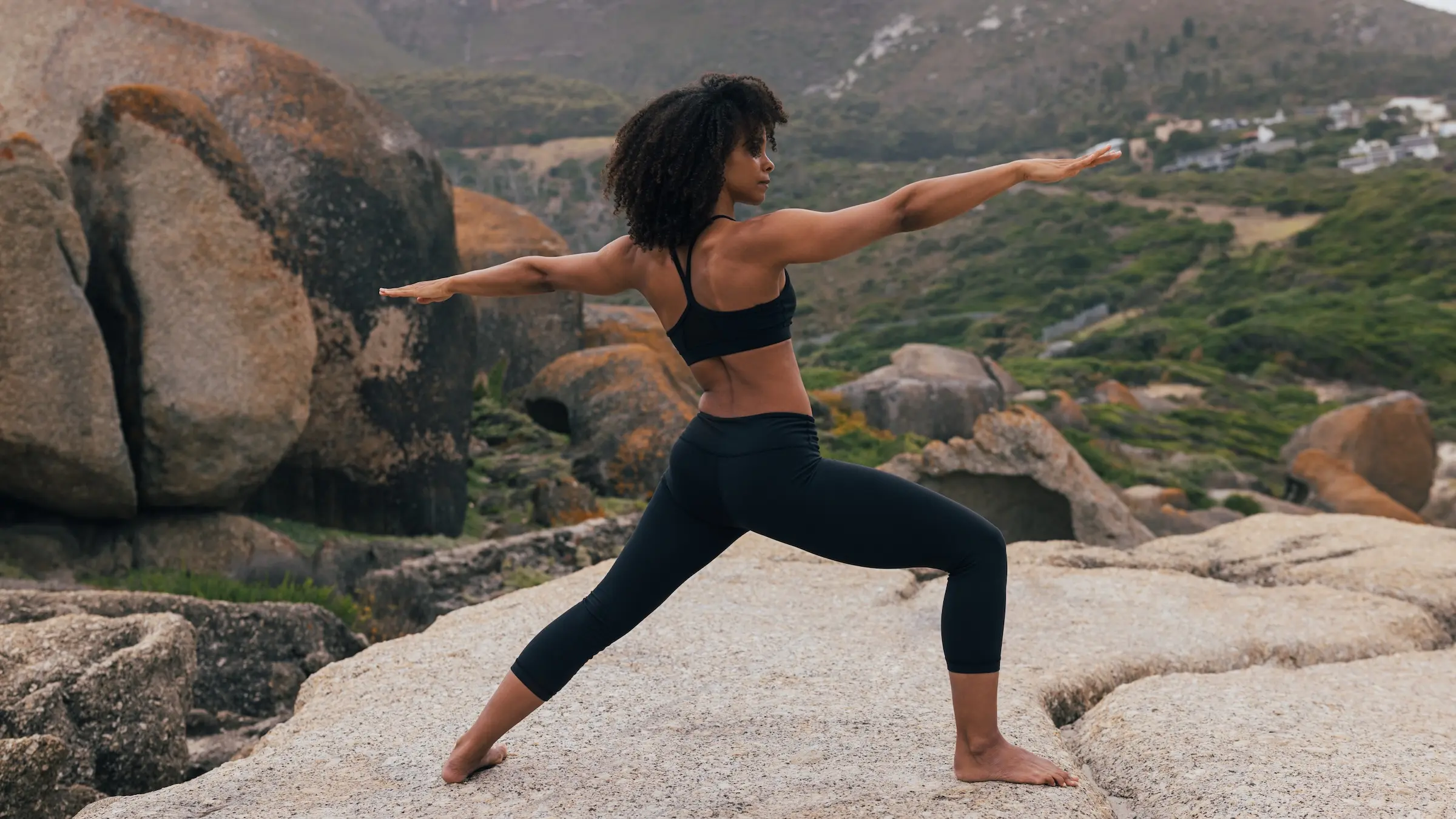
Step your right foot forward into a low lunge, left knee on the mat. Lift your chest, bend elbows to 90 degrees, and lean back slightly, squeezing shoulder blades together. Hold for 30 seconds per side.
This pose stretches the chest and shoulders, countering forward slumping. It feels amazing after a long day of typing. Keep your core engaged to support your lower back.
Downward Dog with Movement
From all fours, tuck your toes and lift hips into Downward Dog. Pedal your feet, bending one knee at a time, and sway hips side to side for 1 minute.
Downward Dog stretches the shoulders, neck, and back while energizing the body. It’s a classic pose that feels like a full-body reset. Keep a slight bend in your knees if hamstrings are tight.
Closing Seated Twist
Sit cross-legged, place your right hand on your left knee, and left hand behind you. Twist gently to the left, looking over your shoulder. Hold for 30 seconds, then switch sides.
This twist releases residual tension in the spine and shoulders. It’s a soothing way to end the session, leaving you refreshed. Move slowly to avoid straining your neck.
Benefits of the 8-Minute Yoga Session
This routine is a quick fix for stiffness, but its benefits go beyond immediate relief. Here’s why it’s worth making a habit:
- Increases Flexibility: Regular stretching improves range of motion, reducing stiffness over time.
- Reduces Pain: Studies show yoga can alleviate neck and shoulder pain by releasing muscle tension.
- Improves Posture: Poses like Cat-Cow and Downward Dog counteract slouching, promoting spinal alignment.
- Boosts Circulation: Gentle movement pumps blood to tight muscles, aiding recovery.
- Relieves Stress: Deep breathing in yoga calms the nervous system, reducing tension headaches.
Comparison: Yoga vs. Other Stretching Methods
| Method | Time Required | Equipment Needed | Focus Area | Best For |
|---|---|---|---|---|
| Yoga Stretching | 8–15 minutes | None/Mat | Neck, shoulders, back | Holistic relief, stress reduction |
| Static Stretching | 5–10 minutes | None | Specific muscles | Quick, targeted relief |
| Foam Rolling | 10–20 minutes | Foam roller | Deep tissue, fascia | Intense muscle release |
| Massage Therapy | 30–60 minutes | Professional/Machine | Full body | Deep relaxation, chronic pain |
Yoga stands out for its accessibility and dual focus on mind and body, making it ideal for busy schedules.
Pros and Cons of the 8-Minute Yoga Session
Pros:
- Quick and beginner-friendly, fitting into any schedule.
- No equipment needed, just a quiet space.
- Combines physical relief with stress reduction.
- Adaptable for all fitness levels with modifications.
Cons:
- May not fully address severe or chronic pain—consult a doctor for persistent issues.
- Requires consistency for long-term benefits.
- Some poses may feel challenging for those with limited mobility.
Why This Session Works: The Science Behind It
Yoga’s effectiveness lies in its ability to target both muscles and the nervous system. Stretching lengthens tight muscles like the trapezius, while deep breathing activates the parasympathetic nervous system, reducing stress-induced tension. A 2023 study found that yoga and similar practices reduced neck and shoulder pain in office workers by improving muscle elasticity and posture. My own experience mirrors this—after a week of daily 8-minute sessions, my shoulders felt noticeably looser, and that nagging neck ache from laptop use was gone.
Common Causes of Neck and Shoulder Stiffness
- Poor Posture: Slouching at desks or during activities strains neck muscles.
- Stress: Tension causes unconscious shoulder hunching, tightening muscles.
- Repetitive Motions: Typing or phone use overworks the same muscle groups.
- Sleeping Position: Awkward angles during sleep can cause morning stiffness.
- Lack of Movement: Sedentary lifestyles reduce blood flow, stiffening muscles.
Tips for Maximizing Your Yoga Session
To get the most out of this 8-minute routine, follow these practical tips:
- Breathe Deeply: Inhale through your nose for 4 counts, exhale for 6 to engage relaxation.
- Stay Consistent: Practice daily, even if just for 5 minutes, to see lasting results.
- Modify as Needed: Use a chair or wall for support if poses feel tough.
- Warm Up Lightly: A brief walk or arm circles preps muscles for stretching.
- Hydrate: Drink water post-session to aid muscle recovery.
Tools to Enhance Your Experience
While this session requires no equipment, these tools can elevate your practice:
- Yoga Mat: Provides grip and cushioning for comfort. Look for eco-friendly options like cork mats.
- Yoga Block: Supports poses like Child’s Pose for beginners. Affordable sets are available online.
- Stretching Strap: Assists with deeper stretches, especially for tight shoulders.
Where to Get Tools:
- Amazon or local sports stores for mats and blocks.
- Specialty yoga retailers like Gaiam for high-quality props.
- Check reviews on sites like Yoga Journal for trusted brands.
People Also Ask (PAA)
How often should I do yoga for neck and shoulder pain?
Aim for 3–5 sessions per week, even if just 8–10 minutes. Consistency is key to reducing stiffness and improving flexibility. Daily practice, as noted by Yoga With Adriene fans, can yield noticeable relief within days.
Can yoga fix a pinched nerve in the neck?
Yoga can help relieve symptoms of a pinched nerve by reducing muscle tension, but severe cases require medical attention. Gentle poses like Thread the Needle may ease discomfort, but consult a doctor for persistent pain.
What are the best yoga poses for neck pain?
Child’s Pose, Cat-Cow, and Thread the Needle are top choices for neck relief. They target the upper back and neck muscles while promoting relaxation. Always move gently to avoid strain.
Is chair yoga effective for neck and shoulder stiffness?
Yes, chair yoga is highly effective, especially for beginners or those with mobility issues. Seated Cat-Cow and neck tilts can be done at your desk, offering quick relief in just 4–8 minutes.
FAQ Section
Can beginners do this 8-minute yoga session?
Absolutely! This routine is designed for all levels, with modifications like using a chair or skipping reverse prayer. Start slow, listen to your body, and ease into poses to avoid strain.
How long until I see results from yoga for stiffness?
With daily practice, you may feel relief within a few days. Long-term benefits, like improved posture and flexibility, typically appear after 2–4 weeks of consistent sessions.
Are there risks to doing yoga for neck pain?
Yoga is generally safe, but avoid forcing poses or overstretching, especially with existing injuries. If you have chronic pain or conditions like arthritis, consult a healthcare provider first.
What’s the best time of day to do this yoga routine?
Any time works, but morning sessions can prevent stiffness, while evening practice helps unwind tension from the day. I find evenings ideal after hours of computer work.
Can I do this yoga session at my desk?
Yes, poses like Seated Cat-Cow and Eagle Arm Stretch can be adapted for a chair. A 4-minute chair yoga routine, like one by Hye Yeon Lee, is perfect for desk breaks.
Integrating Yoga into Your Daily Routine
Making this 8-minute session a habit is easier than you think. I started doing it during my lunch break, and it’s become a non-negotiable part of my day—like brushing my teeth. Try pairing it with a morning coffee or evening wind-down ritual. Apps like Yoga With Adriene or Down Dog offer guided sessions to keep you motivated. Over time, you’ll notice not just less stiffness but also better focus and mood.
When to Seek Professional Help
If your stiffness persists beyond a few weeks or is accompanied by numbness, tingling, or severe pain, it’s time to see a doctor. Conditions like pinched nerves or cervical issues may require physical therapy or medical intervention. Yoga is a great complement but not a cure-all for serious conditions.
Conclusion: Your Path to a Looser, Happier You
This 8-minute yoga stretch session is like a mini-vacation for your neck and shoulders. It’s quick, accessible, and backed by science to relieve tension and boost mobility. I’ve seen firsthand how these simple poses can turn a stiff, cranky day into one where I feel light and energized. Commit to trying it for a week—your body will thank you. For more resources, check out Yoga Journal or NHS guides for additional stretches and tips.