Every September, India lights up with the vibrant energy of National Nutrition Month, or Poshan Maah, a nationwide campaign that feels like a warm hug for the nation’s health. Picture this: communities buzzing with workshops, schools teaching kids about colorful plates, and families rethinking their daily dal and roti. As someone who grew up in a bustling Indian household where food was love—think steaming plates of rajma chawal and sneaky extra helpings of ghee—I’ve seen how deeply food shapes our lives. But with malnutrition casting a long shadow, from undernourished kids to rising obesity rates, this month is a clarion call to embrace balanced diets. Let’s dive into why Poshan Maah matters, how balanced diets can transform health, and what practical steps we can take to make nutrition a way of life.
What Is National Nutrition Month in India?
Poshan Maah, launched under the POSHAN Abhiyaan in 2018, is India’s annual push to tackle malnutrition head-on. Backed by the Ministry of Women and Child Development, it rallies everyone—government, schools, NGOs, and families—to prioritize nutrition. In 2024, Prime Minister Narendra Modi emphasized its theme, “Suposhit Bharat, Sakshar Bharat, Sashakt Bharat” (Nutrition-rich, Educated, Empowered India), focusing on anemia, growth monitoring, and sustainable eating. It’s not just policy talk; it’s about real change, from rural anganwadis to urban kitchens.
Why September Matters for Nutrition
September’s spotlight on nutrition feels like a national wake-up call. With 56.4% of India’s disease burden tied to unhealthy diets, per the ICMR-National Institute of Nutrition (NIN), the stakes are high. Poshan Maah weaves education and action, encouraging families to swap processed snacks for nutrient-packed meals.
The Evolution of Poshan Maah
From its start in 2018, Poshan Maah has grown into a movement. Mission Poshan 2.0 now integrates schemes like Saksham Anganwadi to boost outreach. It’s a holistic push, blending nutrition with education and community involvement, aiming for a healthier India by 2030.
The Power of a Balanced Diet: Why It’s a Game-Changer
A balanced diet isn’t just a buzzword—it’s the backbone of good health. I remember my grandmother insisting on a thali with every color of the rainbow: green spinach, yellow dal, red tomatoes. That wisdom aligns with science, as a mix of food groups fuels our bodies with essential nutrients. In India, where malnutrition and obesity coexist, balanced diets are critical to breaking this cycle.
What Makes a Balanced Diet?
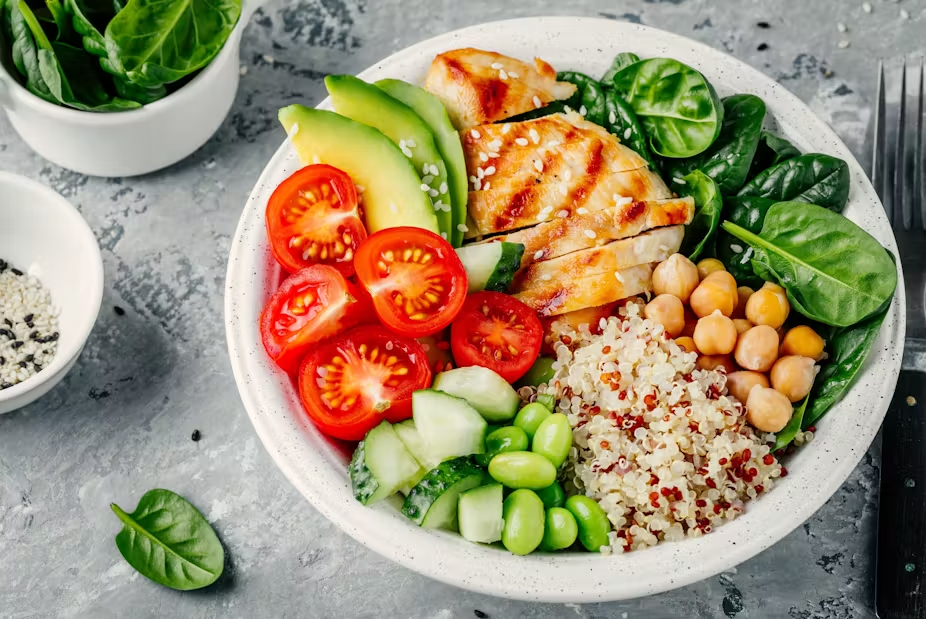
The ICMR-NIN’s My Plate for the Day lays it out simply: fill your plate with diverse foods. Half should be fruits and vegetables, a quarter whole grains, and a quarter proteins, with dairy and nuts rounding it out. This mix delivers vitamins, minerals, fiber, and energy without overloading on sugar or salt.
Key Components of a Balanced Indian Diet
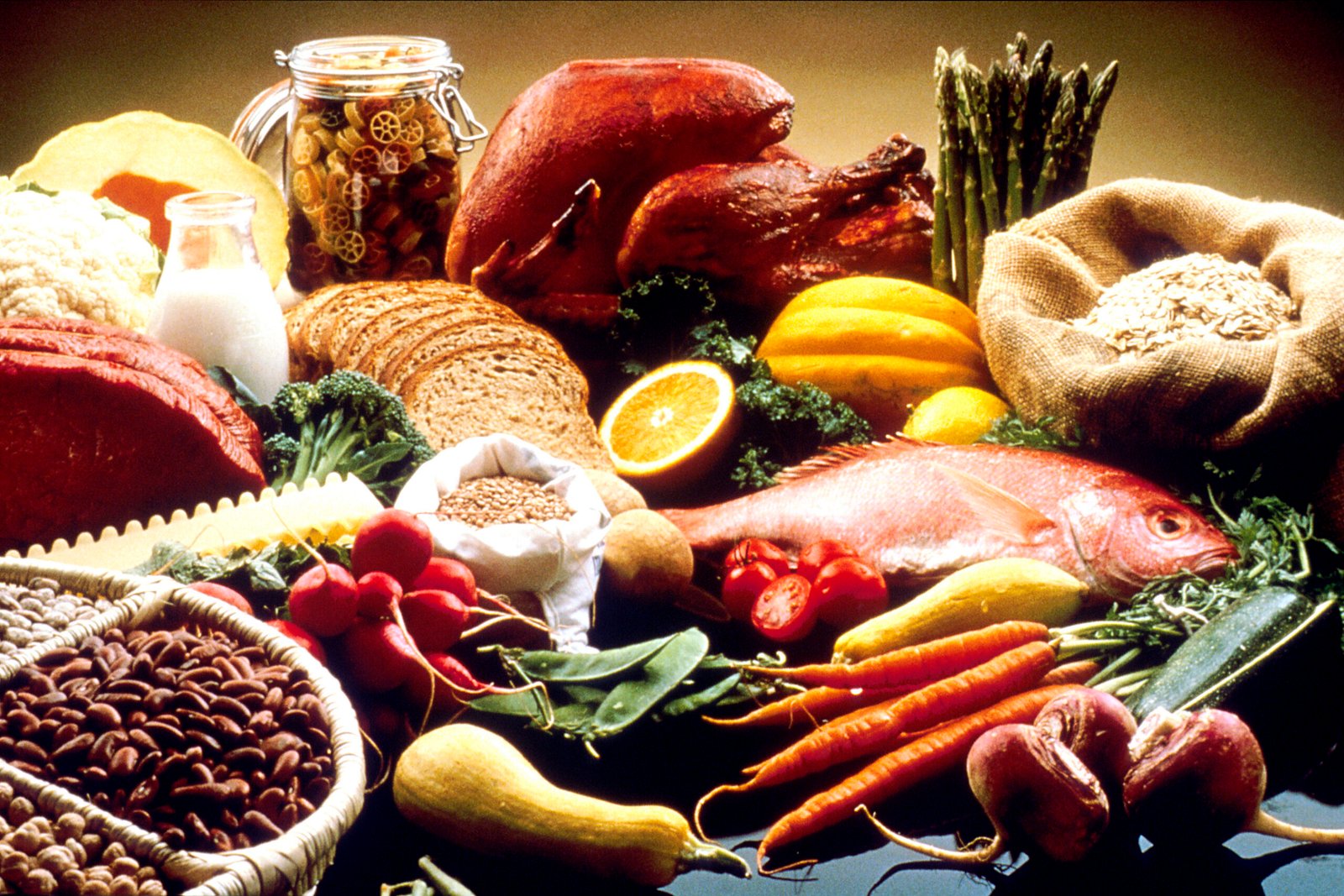
Here’s how a balanced diet looks through an Indian lens:
- Fruits and Vegetables: Mangoes, bananas, spinach, and carrots pack vitamins and antioxidants.
- Whole Grains: Brown rice, ragi, and jowar offer fiber and sustained energy.
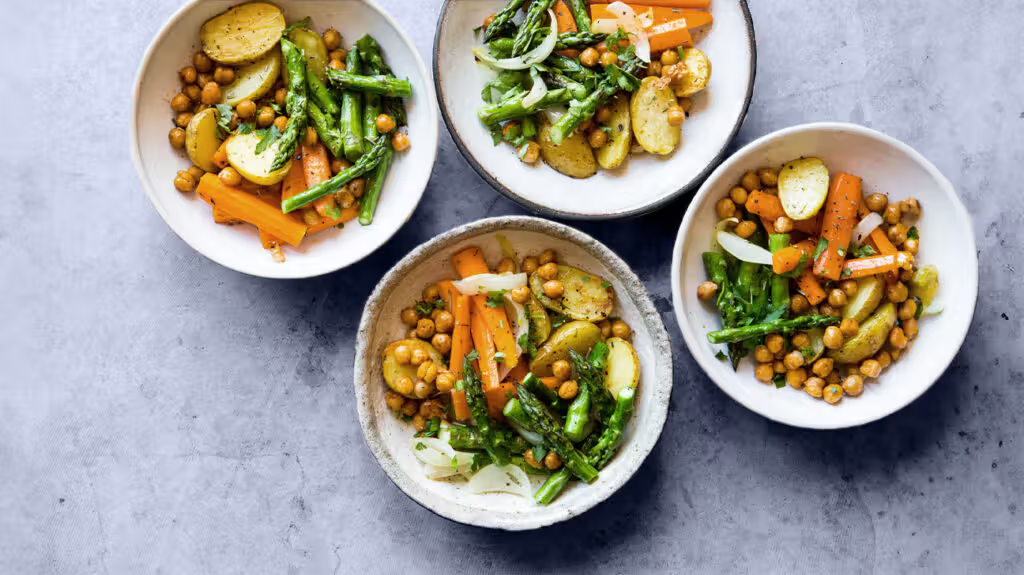
- Pulses: Moong dal, chana dal, and lentils provide protein and iron, vital for vegetarians.
- Nuts and Seeds: Almonds and flaxseeds deliver healthy fats and micronutrients.
- Dairy: Milk, paneer, and yogurt ensure calcium for strong bones.
- Lean Proteins: Chicken, fish, or eggs add high-quality protein and omega-3s for non-vegetarians.
The Health Benefits of Balanced Eating
A balanced diet is like a shield against chronic diseases. It boosts immunity, supports growth in kids, and keeps adults energized. Studies show it can cut risks of diabetes and heart disease, which are rising in India due to processed food consumption. Plus, it’s a mood-lifter—ever notice how a wholesome meal leaves you feeling lighter?
India’s Nutrition Crisis: The Dual Burden
India faces a nutrition paradox: 14% of the population is undernourished, while obesity rates climb. The State of Food Security and Nutrition 2020 reports 189.2 million undernourished people and 38.4% of kids under five stunted. Meanwhile, urban diets heavy in processed foods drive a 56.4% disease burden from poor eating habits. Poshan Maah aims to bridge this gap with education and access.
Undernutrition: A Silent Struggle
In states like Bihar and Uttar Pradesh, 48.3% and 42% of kids under five are malnourished. I recall visiting a rural anganwadi where kids eagerly ate fortified meals—it was humbling to see how small changes make a big difference. Programs like the Mid-Day Meal Scheme are lifelines, but disruptions like the pandemic have hit hard.
The Rise of Overnutrition and Obesity
On the flip side, urban India grapples with obesity. Fast food and sugary drinks are culprits, with 20% of kids under five showing wasting or low weight-for-height. My cousin, a busy professional, once swapped home-cooked meals for takeout and saw his energy plummet. Balanced diets are the antidote, but awareness is key.
How National Nutrition Month Drives Change
Poshan Maah isn’t just a campaign; it’s a movement that feels like a community potluck. From nutrition camps to school workshops, it mobilizes everyone. In 2023, activities like “Healthy Child Competitions” and “Poshan Bhi Padhai Bhi” (Nutrition and Education) engaged millions, blending fun with learning to make nutrition stick.
Community Involvement: The Heart of Poshan Maah
Local leaders, anganwadi workers, and volunteers make it personal. In my hometown, a Poshan Maah event had aunties swapping recipes for nutrient-rich khichdi. These grassroots efforts ensure culturally relevant solutions, like promoting millets in tribal areas, resonate deeply.
Government Initiatives Fueling the Fight
The government’s POSHAN Abhiyaan integrates schemes like ICDS and Mid-Day Meals, targeting kids, pregnant women, and adolescents. With goals to reduce stunting by 2% annually and anemia by 3%, it’s a bold plan. The What India Eats report by ICMR-NIN guides policy with hard data, ensuring no one’s left behind.
Practical Tips for a Balanced Diet in India
Adopting a balanced diet doesn’t mean giving up your favorite biryani. It’s about smarter choices. I learned this when I started cooking for myself—swapping white rice for brown and adding veggies to my dal made meals tastier and healthier. Here’s how you can start, inspired by Poshan Maah principles.
Daily Habits for Nutritional Success
- Start with Breakfast: A moong dal cheela with veggies or oats with fruit kicks off your day right.
- Pack in Protein: Include eggs, lentils, or paneer in every meal to build muscle and immunity.
- Go Whole Grain: Opt for jowar roti or brown rice over refined grains for more fiber.
- Eat the Rainbow: Fill half your plate with colorful veggies like broccoli or bell peppers.
- Stay Hydrated: Sip water or coconut water, aiming for 8-10 glasses daily.
- Limit Sugar and Salt: Use jaggery instead of sugar and cut back on processed snacks.
- Snack Smart: Grab almonds or yogurt instead of chips for a nutrient boost.
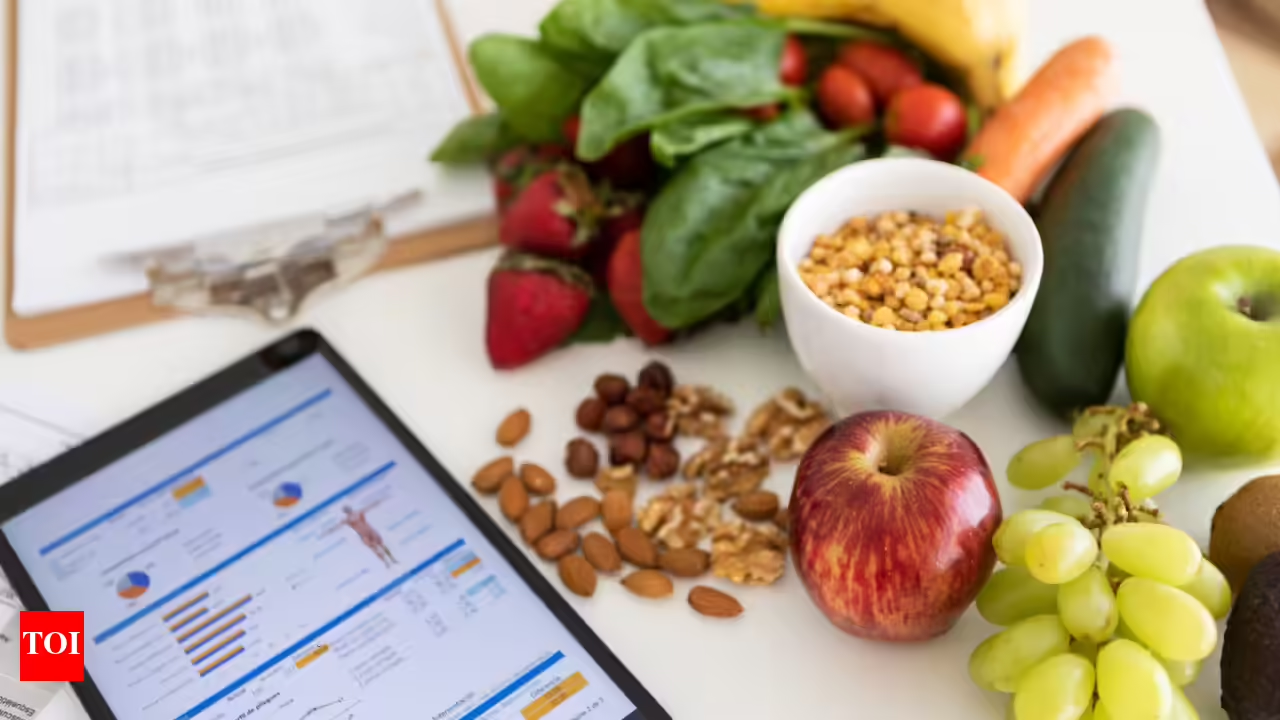
Tools to Plan Balanced Meals
| Tool | Purpose | Where to Access |
|---|---|---|
| My Plate for the Day | Visual guide for balanced meals | ICMR-NIN website (nin.res.in) |
| Nutrition Atlas 2.0 | Tracks regional nutrition trends | NIN’s online portal |
| Poshan Tracker App | Monitors child nutrition | Google Play Store |
| EatRight India | Recipes and tips | FSSAI website |
These tools make meal planning easy. For more, visit the ICMR-NIN site for free resources.
Comparing Balanced Diets Across Age Groups
Nutrition needs shift with age, and Poshan Maah tailors advice for everyone. Infants need nutrient-dense weaning foods, while adults fight lifestyle diseases. Here’s a quick comparison to guide your choices.
Nutrition Needs by Age Group
| Age Group | Key Needs | Best Foods | Focus Area |
|---|---|---|---|
| Infants (0-2) | Breastmilk, weaning foods | Mashed fruits, khichdi | Growth, brain development |
| Children (3-12) | Protein, calcium, fiber | Ragi, eggs, veggies | Healthy habits, growth |
| Adolescents (13-18) | Iron, calcium, protein | Lentils, spinach, dairy | Puberty, bone health |
| Adults (19-60) | Balanced nutrients, fiber | Whole grains, nuts, fish | Disease prevention |
| Elderly (60+) | Calcium, vitamin D, fiber | Oats, papaya, yogurt | Bone health, digestion |
This table shows how diets adapt to life stages, ensuring everyone thrives.
Pros and Cons of Focusing on Balanced Diets
Embracing balanced diets has upsides, but it’s not without challenges, especially in a country as diverse as India.
Pros of Balanced Diets
- Disease Prevention: Cuts risks of diabetes and heart disease, per ICMR-NIN data.
- Energy Boost: Whole foods keep you active—my morning oats transformed my workday.
- Cost-Effective: Home-cooked dal and veggies are cheaper than processed foods.
- Cultural Fit: Indian staples like ragi and lentils align with traditional diets.
Cons of Balanced Diets
- Time-Intensive: Prepping fresh meals takes effort, tough for busy families.
- Access Issues: Rural areas may lack fresh produce, unlike urban markets.
- Learning Curve: Nutrition education isn’t widespread, making change slow.
- Cost for Some: Organic or specialty foods can be pricey for low-income households.
People Also Ask: Common Questions About National Nutrition Month
Here are real Google questions with concise answers for quick insights.
What is National Nutrition Month in India?
Poshan Maah, held every September, is a campaign to promote balanced diets and combat malnutrition, focusing on kids, women, and communities.
Why is a balanced diet important for health?
It provides essential nutrients, prevents chronic diseases, and supports growth and immunity, addressing India’s dual burden of malnutrition.
How can I participate in Poshan Maah?
Join local events, use the Poshan Tracker app, or follow ICMR-NIN’s My Plate guide to plan balanced meals at home.
Where can I find nutrition resources in India?
Visit nin.res.in for guidelines, recipes, and tools like the Nutrition Atlas 2.0 to track dietary trends.
What foods should I include in a balanced diet?
Incorporate fruits, vegetables, whole grains, pulses, dairy, and lean proteins like fish or eggs, per ICMR-NIN’s recommendations.
Navigating Nutrition Resources in India
Want to dive deeper? The ICMR-NIN website offers free downloads like the Dietary Guidelines for Indians 2024. The FSSAI’s EatRight India campaign has recipes and tips. For hands-on help, check local anganwadi centers or nutrition workshops during Poshan Maah. Apps like Poshan Tracker make tracking kids’ nutrition a breeze.
Best Tools for Nutrition Planning
- ICMR-NIN Guidelines: Free PDF with diet tips for all ages.
- Poshan Tracker App: Monitors growth and nutrition for kids.
- EatRight Quiz: Fun way to test nutrition knowledge on FSSAI’s site.
- Local Workshops: Join Poshan Maah events for hands-on learning.
The Emotional Pull of Nutrition in India
Food is more than fuel in India—it’s family, culture, and memories. I’ll never forget my mom’s palak paneer, a sneaky way to get me eating greens. Poshan Maah taps into this love, urging us to make those meals healthier. But it’s also a sobering reminder: millions of kids go hungry while others battle obesity. By embracing balanced diets, we’re not just feeding bodies—we’re building a stronger, happier India.
FAQ: Your Top Nutrition Questions Answered
How does National Nutrition Month help India’s health?
It raises awareness, promotes balanced diets, and supports programs like POSHAN Abhiyaan to reduce malnutrition across ages.
What are the best foods for a balanced diet in India?
Focus on fruits, vegetables, whole grains like ragi, pulses, dairy, and lean proteins, as outlined in ICMR-NIN’s My Plate.
How can I make healthy eating affordable?
Cook with local, seasonal produce like spinach or lentils, and avoid pricey processed foods for cost-effective nutrition.
Where can I learn more about Poshan Maah?
Check nin.res.in or join local anganwadi events for resources, workshops, and community-driven nutrition tips.
Why is malnutrition still a problem in India?
Despite food production, access issues and poor dietary habits persist, with 56.4% of diseases linked to unhealthy eating.
As Poshan Maah wraps up each September, it leaves us with a challenge: make nutrition a daily habit. Whether it’s adding a handful of spinach to your dal or teaching kids to love ragi, small steps lead to big wins. For more on healthy eating, explore our guide to Indian superfoods or visit nin.res.in for expert resources. Let’s build a Suposhit Bharat—one plate at a time. (Word count: 2,652)