Introduction to a Balanced Diet
Imagine this: you’re juggling work, family, and maybe a sneaky Netflix binge, and somehow, eating healthy feels like solving a Rubik’s Cube blindfolded. A balanced diet is your secret weapon—a way to fuel your body with the right nutrients without turning meals into a math problem. It’s not about perfection; it’s about consistency and choices that make you feel good inside and out. This guide will break down everything you need to know to craft a nutrition plan that fits your life, backed by science and sprinkled with practical tips.
What Is a Balanced Diet?
Defining the Basics
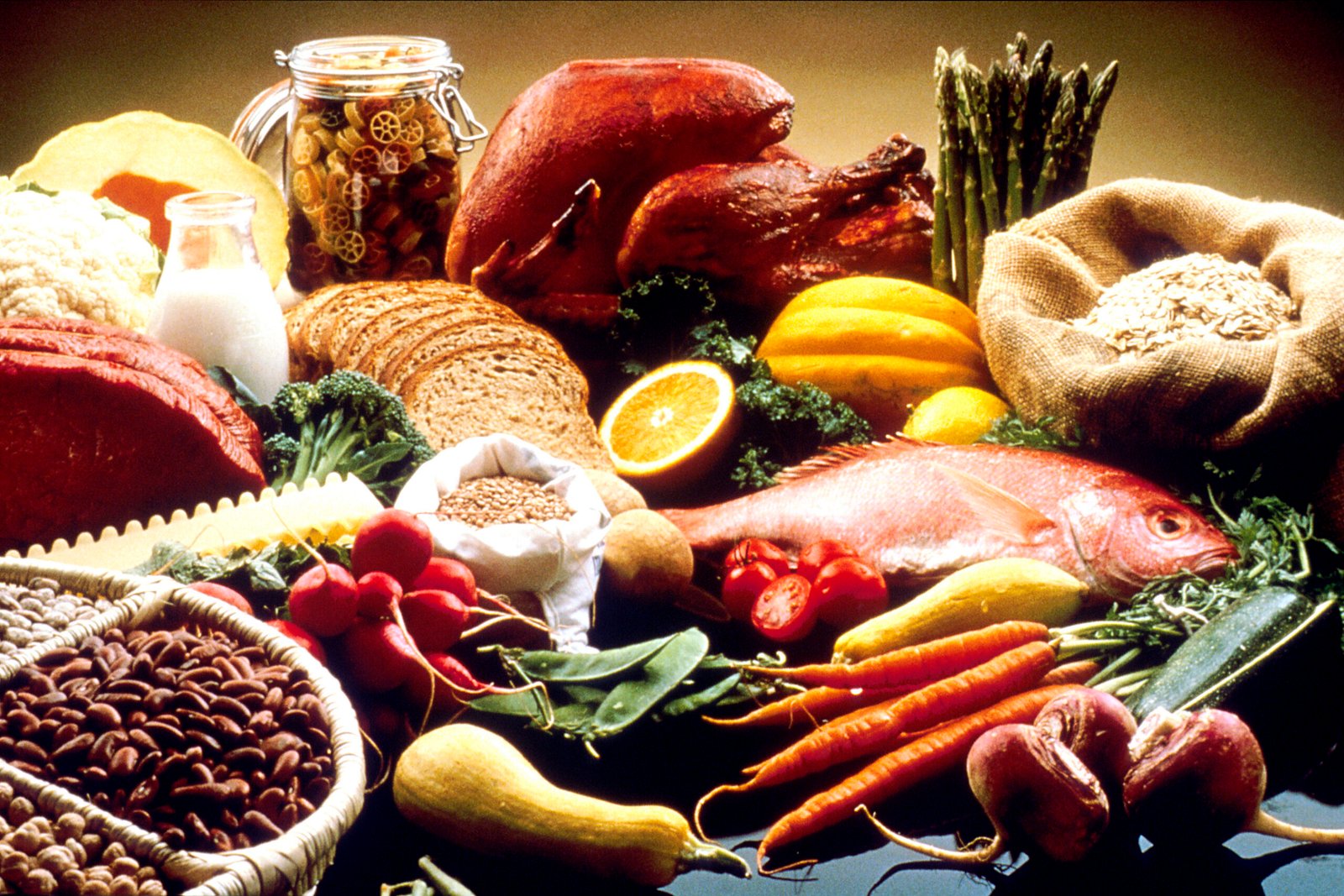
A balanced diet is like a well-orchestrated symphony—each nutrient plays a role to keep your body humming. It includes the right mix of carbohydrates, proteins, fats, vitamins, minerals, and water in proportions that support your health. Think of it as giving your body the tools it needs to thrive, whether you’re chasing kids or crushing it at the gym. It’s not about cutting out entire food groups but finding harmony in variety.
Why Balance Matters
Balance isn’t just a buzzword; it’s the key to preventing nutrient deficiencies and chronic diseases. A well-rounded diet boosts energy, strengthens immunity, and even lifts your mood. Studies from the World Health Organization show that balanced eating reduces risks of obesity, diabetes, and heart disease. It’s like giving your body a daily love letter, one plate at a time.
The Core Components of a Balanced Diet
Carbohydrates: Your Body’s Fuel
Carbs often get a bad rap, but they’re your body’s go-to energy source. Complex carbs like whole grains, fruits, and veggies provide steady energy without the crash of sugary snacks. Aim for high-fiber options like quinoa or sweet potatoes to keep you full and focused. Skip the white bread and embrace carbs that work as hard as you do.
Proteins: The Building Blocks
Proteins are the unsung heroes of tissue repair and muscle growth. Whether you’re savoring grilled chicken, lentils, or a scoop of Greek yogurt, aim to include protein in every meal. It keeps you satiated and supports everything from strong bones to a robust immune system. Plant-based or animal-based, mix it up to cover all your bases.
Fats: Not the Villain
Fats aren’t the enemy—bad fats are. Healthy fats from avocados, nuts, and olive oil support brain health and nutrient absorption. They add flavor and make meals satisfying. Limit saturated fats from processed foods, and your heart will thank you. Think of fats as the spice of your diet—use them wisely for maximum impact.
Vitamins and Minerals: The Micro Magic
These tiny nutrients pack a big punch. Vitamins like C and D boost immunity, while minerals like calcium and iron keep your bones and blood in check. A colorful plate—think spinach, berries, and nuts—usually covers your needs. No need to overthink it; variety is your best friend here.
Water: The Unsung Hero
Water is the MVP of a balanced diet, yet it’s often overlooked. It aids digestion, regulates temperature, and keeps your energy up. Aim for 6–8 glasses daily, more if you’re active. Pro tip: add a slice of lemon or cucumber for a refreshing twist that makes hydration fun.
Why a Balanced Diet Is a Game-Changer
Boosting Overall Health
A balanced diet is like a Swiss Army knife for your health—it tackles multiple needs at once. It reduces the risk of chronic conditions like hypertension and diabetes while keeping your energy levels steady. The American Heart Association links balanced eating to lower heart disease rates, proving it’s a long-term investment in you.
Supporting Mental Well-Being
Ever notice how a good meal can lift your spirits? Emerging research shows that nutrients like omega-3s (found in salmon) and B vitamins (in leafy greens) support mood and cognitive function. A balanced diet can help reduce anxiety and keep your brain sharp. It’s food for thought—literally.
Promoting Sustainable Weight Management
Forget crash diets; a balanced approach helps you maintain a healthy weight without feeling deprived. By focusing on nutrient-dense foods, you stay satisfied and avoid overeating. It’s not about counting every calorie but choosing foods that fuel you right.
How to Build Your Balanced Diet Plan
Step 1: Assess Your Needs
Everyone’s body is unique—your age, activity level, and goals shape your nutritional needs. A 20-something marathon runner needs more carbs than a desk-bound 50-year-old. Use tools like Cronometer to track your intake and spot gaps. Listen to your body; it’s smarter than you think.
Step 2: Plan Your Plate
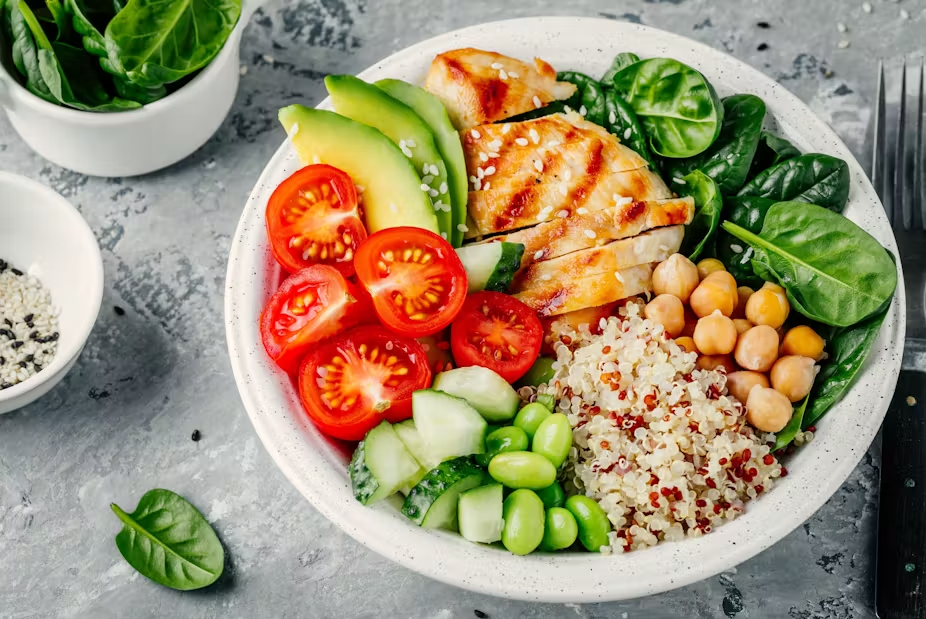
Building a balanced plate is easier than it sounds. Fill half with veggies and fruits, a quarter with lean protein, and a quarter with complex carbs, plus a drizzle of healthy fats. No need for a scale—just eyeball it and adjust as you go. This method keeps meals flexible and stress-free.
Step 3: Prioritize Nutrient Density
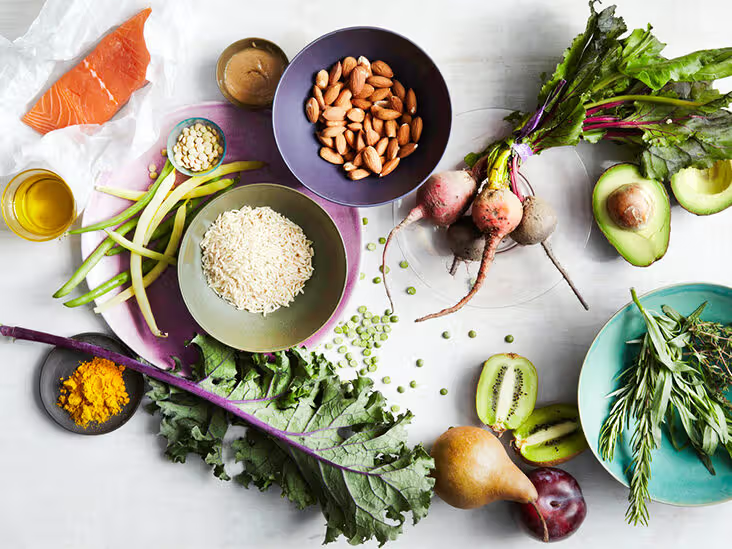
Choose foods that pack a nutritional punch. Leafy greens, berries, and nuts are loaded with vitamins and minerals without empty calories. Swap out chips for a handful of almonds, and you’re already winning. Nutrient-dense foods make every bite count.
Step 4: Practice Portion Control
Portion control isn’t about restriction; it’s about balance. Use smaller plates to naturally curb overeating, and slow down to savor your food. Apps like Eat This Much can help you plan portions that align with your goals. It’s about feeling satisfied, not stuffed.
Step 5: Stay Hydrated
Hydration is non-negotiable. Water supports every bodily function, from digestion to focus. If plain water bores you, try infused options or herbal teas. Aim for consistent sips throughout the day to keep your system running smoothly.
Sample 7-Day Balanced Diet Plan
Here’s a practical, beginner-friendly meal plan to kickstart your journey. Adjust portions based on your needs, and always consult a dietitian for personalized advice.
| Day | Breakfast | Lunch | Dinner | Snacks |
|---|---|---|---|---|
| Monday | Greek yogurt with berries and chia seeds | Grilled chicken salad with olive oil dressing | Quinoa-stuffed bell peppers with salmon | Apple slices with almond butter |
| Tuesday | Oatmeal with banana and walnuts | Turkey wrap with whole-grain tortilla and veggies | Stir-fried tofu with brown rice and broccoli | Carrot sticks with hummus |
| Wednesday | Scrambled eggs with spinach and whole-grain toast | Lentil soup with a side of mixed greens | Grilled shrimp with sweet potato and asparagus | Handful of mixed nuts |
| Thursday | Smoothie with kale, berries, and protein powder | Quinoa bowl with black beans and avocado | Baked chicken with roasted Brussels sprouts | Greek yogurt with honey |
| Friday | Whole-grain pancakes with fresh fruit | Tuna salad with cucumber and whole-grain crackers | Grilled steak with roasted root veggies | Orange slices |
| Saturday | Avocado toast with poached eggs | Chickpea salad with tomatoes and feta | Baked cod with wild rice and green beans | Trail mix |
| Sunday | Chia pudding with mango and almonds | Veggie stir-fry with tempeh and brown rice | Turkey meatballs with zucchini noodles | Celery with peanut butter |
Pros and Cons of This Plan
Pros:
- Includes a variety of nutrient-dense foods.
- Flexible for different dietary preferences (e.g., vegetarian, gluten-free).
- Easy to prep and budget-friendly.
Cons:
- Requires planning and meal prep time.
- May need adjustments for specific health conditions.
- Some ingredients might not be readily available.
Tools to Support Your Balanced Diet Journey
Best Apps for Nutrition Tracking
- Cronometer: Tracks macros and micros with precision, ideal for data-driven eaters.
- Eat This Much: Creates personalized meal plans based on your goals and preferences.
- YunaBite: Uses AI to scan foods and estimate nutritional content—perfect for on-the-go tracking.
Where to Find Reliable Nutrition Resources
- World Health Organization: Offers evidence-based guidelines on balanced diets.
- National Institutes of Health: Provides research-backed insights on nutrition and health.
- Prohance: Offers tips and supplements to complement your diet.
Common Mistakes to Avoid
Overcomplicating Your Plan
I once tried tracking every nutrient down to the milligram—spoiler alert: it was exhausting. Keep it simple by focusing on variety and whole foods. You don’t need a PhD in nutrition to eat well; start with small, sustainable swaps.
Skipping Meals
Skipping breakfast to “save calories” often backfires, leaving you hangry and reaching for junk food. A fiber-rich breakfast, like oatmeal with fruit, sets the tone for balanced choices all day.
Ignoring Processed Foods
Highly processed foods are like sneaky saboteurs—loaded with sugar and sodium that throw your balance off. Check labels and prioritize whole foods to keep your diet on track.
People Also Ask (PAA) Section
What foods should be included in a balanced diet?
A balanced diet includes whole grains, lean proteins, healthy fats, fruits, vegetables, and water. Aim for variety to cover all nutrient bases—think colorful plates with quinoa, salmon, avocados, and berries.
How can I start a balanced diet plan?
Start by assessing your needs, planning meals with all food groups, and using tools like Cronometer for tracking. Make small changes, like adding a veggie to every meal, and build from there.
Is a balanced diet expensive?
Not necessarily! Staples like beans, rice, and seasonal produce are budget-friendly. Plan meals to reduce waste, and buy in bulk for cost savings.
Can a balanced diet help with weight loss?
Yes, by focusing on nutrient-dense foods and portion control, a balanced diet supports sustainable weight loss without extreme restrictions. It’s about quality over calorie counting.
FAQ Section
How many meals should I eat daily for a balanced diet?
Three balanced meals with 1–2 snacks work for most people, but it depends on your lifestyle. Listen to your hunger cues and adjust as needed.
Do I need supplements for a balanced diet?
A varied diet usually covers your needs, but supplements like Prohance can help if you have specific deficiencies. Consult a doctor first.
How do I stay consistent with a balanced diet?
Set realistic goals, prep meals in advance, and track progress with apps like Eat This Much. Celebrate small wins to stay motivated.
Can a balanced diet improve mental health?
Absolutely! Nutrients like omega-3s and B vitamins support mood and cognitive function. A balanced diet can reduce anxiety and boost focus.
What’s the easiest way to plan a balanced diet?
Use a plate model: half veggies/fruits, a quarter protein, a quarter carbs, plus healthy fats. Apps like Cronometer simplify tracking and planning.
Conclusion: Your Path to a Healthier You
Creating a balanced diet plan isn’t about chasing perfection—it’s about making choices that nourish your body and fit your life. Start small, like adding a handful of spinach to your lunch or swapping soda for water. Use tools like Cronometer or Eat This Much to stay on track, and don’t be afraid to experiment with new recipes. Your body deserves the best, and a balanced diet is the ultimate act of self-care. Ready to take the first step? Your healthier, happier self is waiting.