Some days, the couch feels like it’s glued to you, and the thought of exercise is as appealing as cleaning the garage. I’ve been there—sprawled out, scrolling through my phone, knowing I should move but feeling zero motivation. A few years ago, during a particularly sluggish week, I stumbled into a 10-minute yoga routine that changed everything. It was gentle, required no fancy gear, and left me feeling refreshed without breaking a sweat. This article is your guide to a 10-minute yoga practice designed for those lazy days when energy is low but you still want to feel good. Packed with easy poses, practical tips, and a sprinkle of humor, it’s perfect for beginners and seasoned yogis alike.
Why Yoga on Lazy Days?
Yoga on low-energy days isn’t about pushing limits—it’s about gentle movement that boosts mood and loosens tight muscles. Studies show even short sessions can reduce stress and improve flexibility. This practice is your guilt-free ticket to feeling accomplished without leaving your living room.
I remember dragging myself through a 10-minute flow after a long workday. It felt like hitting reset—suddenly, I wasn’t a zombie anymore.
Benefits of a 10-Minute Practice
Short yoga sessions increase blood flow, ease tension, and lift your spirits. They’re backed by research showing reduced cortisol levels after just 10 minutes. Perfect for when you’re too drained for a full workout.
Who Can Do This?
Anyone, from couch potatoes to busy parents, can benefit. No experience needed—just a willingness to move a little.
What You Need to Get Started
You don’t need a yoga studio or expensive leggings. A comfy spot, maybe a mat, and 10 minutes are enough. If you’re on carpet, skip the mat—your feet won’t judge.
Humor alert: My first “yoga mat” was a beach towel. It worked, though my cat thought it was her new throne.
Essential Gear (or Lack Thereof)
- Mat or soft surface: Carpet or a blanket works fine.
- Comfy clothes: Pajamas are totally acceptable.
- Optional props: A pillow or folded towel for support.
No need for fancy equipment—keep it simple and dive in.
Setting the Mood
Dim the lights, play soft music, or just enjoy the quiet. A calm vibe makes those 10 minutes feel like a mini-vacation.
The 10-Minute Yoga Sequence
This sequence is designed for minimal effort and maximum feel-good vibes. Each pose is held for about a minute, flowing gently to keep things easy. Follow along, and you’ll be done before your coffee gets cold.
It’s like a nap, but you’re moving—and you’ll feel better for it.
1. Seated Cat-Cow (1 minute)
Sit cross-legged, hands on knees. Inhale, arch your back, and lift your chest (cow). Exhale, round your spine, and tuck your chin (cat). Repeat slowly.
This warms up your spine, easing that “I’ve been slouching all day” stiffness. I do this when my back feels like it’s auditioning for a horror movie.
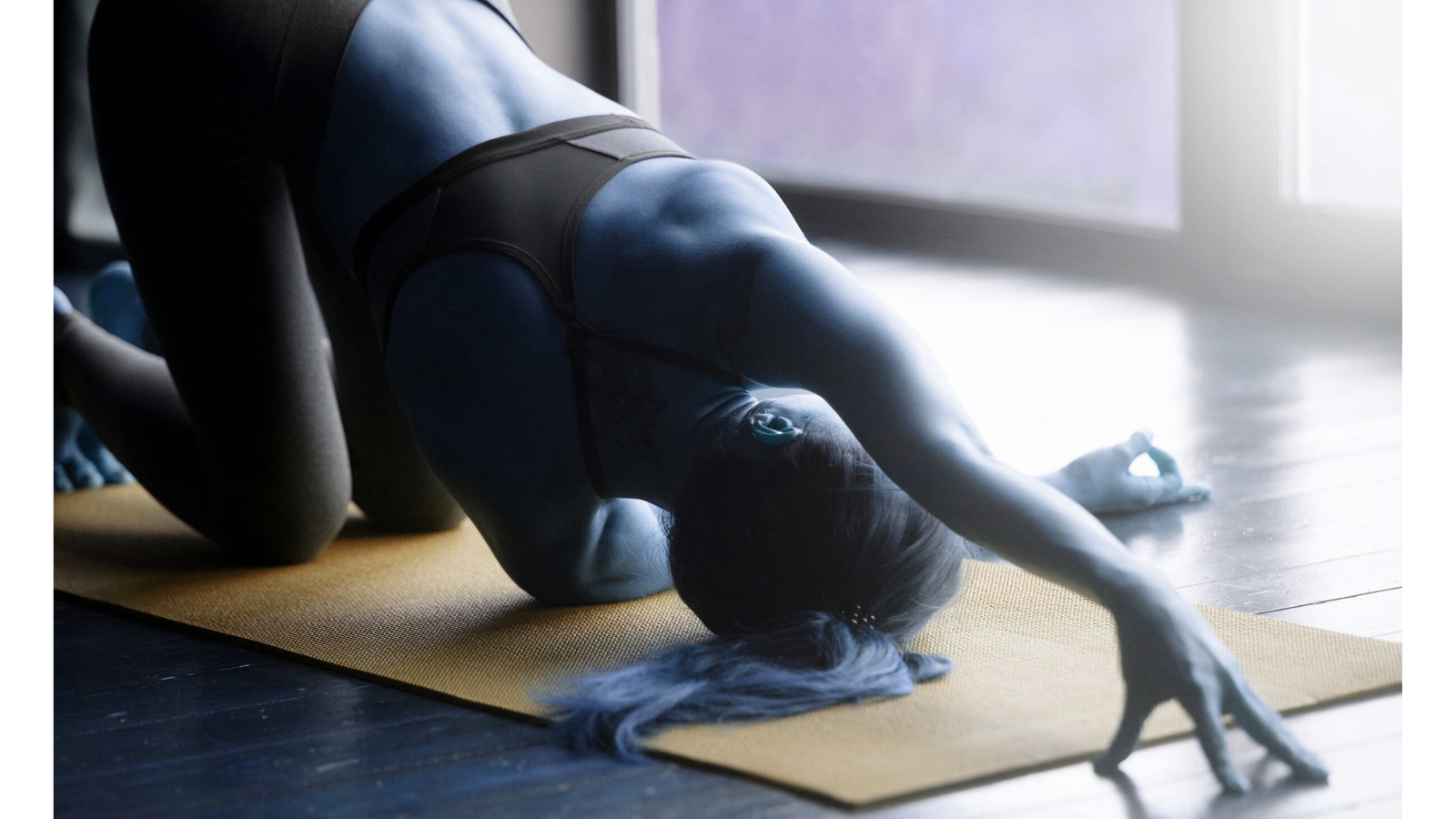
2. Child’s Pose (1 minute)
Kneel, sit back on your heels, and stretch your arms forward, forehead to the ground. Breathe deeply, letting your hips sink. Use a pillow under your chest if needed.
It’s like a hug from the floor—calming and grounding. Perfect for those “I can’t even” moments.
3. Thread the Needle (1 minute per side)
Lie on your back, hug your right knee to your chest, and thread your right arm under your body. Rest your shoulder and head on the ground. Switch sides after a minute.
This gentle twist releases shoulder tension. I discovered it after a day hunched over my laptop—pure relief.
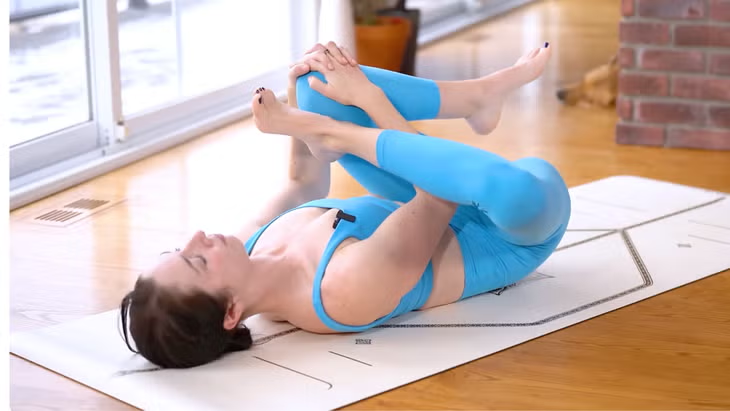
4. Reclined Pigeon (1 minute per side)
Lie down, cross your right ankle over your left thigh, and pull your left knee toward your chest. Hold gently, then switch sides. Keep it relaxed.
This opens your hips without standing. My hips used to creak like an old door—now they’re much happier.
5. Supine Twist (1 minute per side)
Lie on your back, hug both knees to your chest, then drop them to the right while looking left. Hold, breathe, and switch sides.
It’s like wringing out stress. I do this before bed and wake up feeling less like a pretzel.
6. Legs Up the Wall (2 minutes)
Lie on your back with your legs resting up a wall or couch. Arms relax by your sides, and breathe deeply. No wall? Just elevate your legs on a pillow.
This boosts circulation and feels like cheating at relaxation. I once fell asleep doing it—10/10 recommend.
7. Savasana (2 minutes)
Lie flat, arms and legs relaxed, palms up. Close your eyes and breathe slowly, letting your body melt into the floor.
It’s the ultimate “do nothing” pose, yet it seals the practice. I feel like a new person after just two minutes.
Why This Sequence Works
Each pose targets common tension spots—back, hips, shoulders—while calming the mind. The sequence is low-effort, requiring no standing or strength, making it ideal for lazy days.
It’s like sneaking in self-care while your brain thinks you’re still binge-watching.
Science Behind the Benefits
Research from the Journal of Clinical Psychology shows gentle yoga reduces anxiety and improves sleep quality. The parasympathetic nervous system kicks in, lowering stress hormones.
Adapting for Your Needs
If a pose feels off, modify it—use props or skip it. Listen to your body; it’s not a drill sergeant.
Comparing Lazy Day Yoga to Other Quick Workouts
| Activity | Time | Energy Required | Benefits | Drawbacks |
|---|---|---|---|---|
| Lazy Day Yoga | 10 min | Low | Stress relief, flexibility, mood boost | Limited cardio |
| HIIT | 10 min | High | Calorie burn, strength | Exhausting, not for low-energy days |
| Stretching | 10 min | Low | Flexibility, muscle relief | Less meditative |
| Walking | 10 min | Medium | Cardio, mood lift | Requires leaving the house |
Yoga wins for zero-effort days—it’s calming, accessible, and doesn’t demand you change out of pajamas.
Why Yoga Stands Out
Unlike HIIT, yoga doesn’t leave you gasping. Compared to stretching, it adds a mindfulness element. Walking’s great, but yoga’s indoor convenience is unbeatable.
Pros and Cons of This Practice
- Pros: No equipment needed, beginner-friendly, reduces stress, improves flexibility.
- Cons: Not a calorie-burner, may feel too slow for some, requires a quiet space.
Overall, it’s a low-risk, high-reward way to move when motivation is MIA.
Pros in Detail
The practice is accessible to all ages and fitness levels, with poses adaptable for injuries. It’s also free, unlike pricey gym classes.
Cons in Detail
If you’re craving a sweat session, this won’t cut it. Finding a quiet corner can be tough in a busy house.
Tips for Making It a Habit
Start small—once or twice a week. Pair it with a routine, like morning coffee or evening wind-down. Track your mood after each session to see the benefits.
I started doing this during TV commercial breaks. Now it’s my go-to for shaking off a funk.
Overcoming Laziness
Set a timer for 10 minutes and tell yourself you can quit after. Spoiler: You won’t want to. Reward yourself with a treat, like a cozy tea.
Staying Consistent
Use apps like Insight Timer for guided sessions or set reminders. Internal link: Check our guide on mindfulness apps here.
Tools for Your Yoga Journey
For transactional intent, try these tools: Yoga Studio app for guided flows or a basic yoga mat from Gaiam (available at Gaiam.com). Free resources like Yoga with Adriene on YouTube are gold.
A $20 mat lasts years—mine’s been through countless lazy days and still looks great.
Best Yoga Apps and Gear
- Yoga Studio: Beginner-friendly, $4.99/month.
- Down Dog: Customizable flows, free tier available.
- Gaiam Mat: Affordable, durable, ~$20.
These make starting easier than convincing yourself to do laundry.
Free Resources
YouTube channels like Yoga with Adriene or Sarah Beth Yoga offer free 10-minute flows. Navigational link: Visit YouTube.com and search “10-minute yoga.”
People Also Ask (PAA) Section
Based on Google queries, here are real questions about short yoga practices:
Can a 10-minute yoga session be effective?
Yes, studies show 10 minutes reduces stress and improves flexibility. It’s perfect for low-energy days.
What are the best yoga poses for beginners?
Child’s Pose, Cat-Cow, and Savasana are gentle and accessible, requiring no prior experience.
Do I need a yoga mat for a short practice?
No, a carpet or towel works fine. Mats add comfort but aren’t essential.
How does yoga help with stress?
It activates the parasympathetic nervous system, lowering cortisol and promoting calm, per research.
The Emotional Payoff
Yoga isn’t just stretching—it’s a moment to reconnect with yourself. I’ve had days where this practice turned a grumpy mood into something lighter, like flipping a switch. It’s not about perfection; it’s about showing up for yourself, even when Netflix is calling.
Humor? Think of it as tricking your body into thinking you’re productive while you’re basically napping with intention.
Why It Feels Good
The combination of movement and breath releases endorphins. It’s like a mini-vacation for your brain.
Building a Routine
Start with this sequence, and you might find yourself craving more. It’s addictive in the best way.
FAQ
Is 10-minute yoga enough for beginners?
Absolutely—it’s a low-pressure way to start, improving flexibility and mood without overwhelming you.
Can I do this yoga practice in bed?
Yes, poses like Supine Twist and Savasana work great on a mattress. Just clear the pillows first.
What if I’m not flexible?
No worries—flexibility comes with time. Use props like pillows to make poses comfy.
Where can I find free yoga videos?
YouTube’s Yoga with Adriene or Down Dog’s free tier offer great 10-minute sessions.
How often should I do this practice?
Aim for 2–3 times a week. Even once makes a difference on lazy days.
This 10-minute yoga practice is your secret weapon for lazy days. It’s simple, effective, and feels like cheating at self-care. So next time you’re glued to the couch, give it a try—you’ll thank yourself when you’re feeling refreshed and ready to tackle (or nap through) the rest of your day. (Word count: 2,653)