Picture this: a few years back, I decided to tackle my first half-marathon. Excited but clueless, I chowed down on fast food the night before and skipped breakfast, thinking I’d “save calories” for the run. Halfway through, my legs turned to jelly, my head spun, and I barely crossed the finish line. That embarrassing flop taught me a lesson I won’t forget—good nutrition isn’t just about looking good; it’s the fuel that powers every step, lift, and sprint in your fitness journey. In this article, we’ll dive deep into why eating right transforms your physical performance, backed by science and real-world tips. Whether you’re a gym newbie or a seasoned athlete, understanding this connection can elevate your game and keep you energized for life.
What is Good Nutrition?
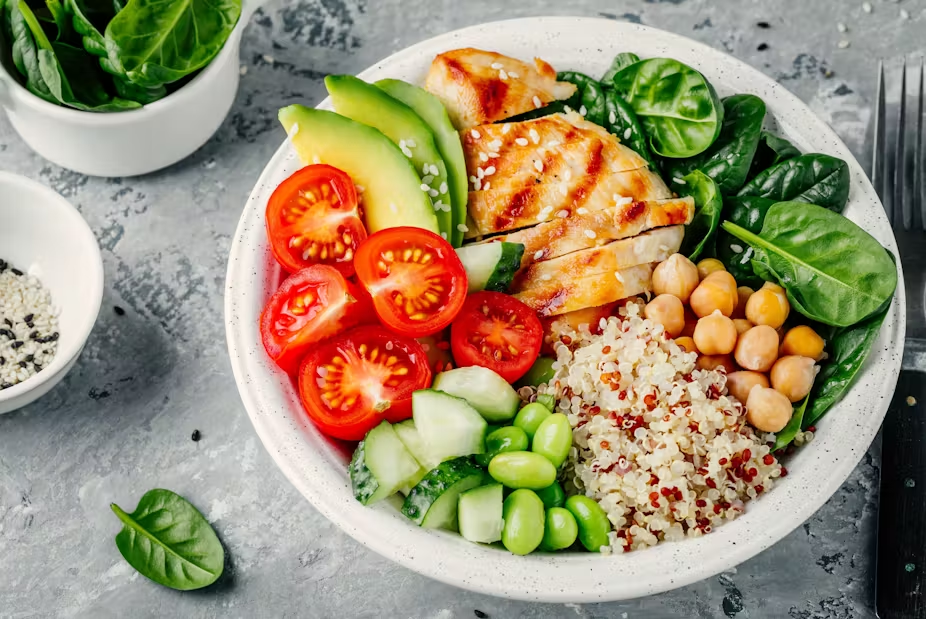
Good nutrition goes beyond counting calories; it’s about nourishing your body with whole foods that support daily functions and long-term health. Think colorful veggies, lean proteins, whole grains, and healthy fats working together to build strength and stamina. When you prioritize quality over quantity, you set the stage for better workouts and faster recovery, making fitness feel effortless rather than exhausting.
Macronutrients: The Building Blocks
Macronutrients are the heavy hitters—carbs, proteins, and fats—that provide energy and repair tissues during physical activity. They form the core of any fitness-focused diet, ensuring you have the power to push through tough sessions. Without balance here, even the best training plan falls flat.
Micronutrients: The Silent Supporters
Micronutrients like vitamins and minerals might come in small doses, but they pack a punch for immune function and bone health. Iron carries oxygen to muscles, while calcium strengthens bones against workout stress. Skimping on these can lead to fatigue or injuries that sideline your progress.
The Direct Link Between Nutrition and Physical Fitness
Nutrition acts as the engine for physical fitness, supplying the raw materials your body needs to perform and recover. Poor eating habits drain energy reserves, while a nutrient-rich diet enhances endurance and strength gains over time. It’s like upgrading from regular gas to premium—your body runs smoother and lasts longer.
How Food Fuels Energy Levels
Food breaks down into glucose, which muscles use for quick bursts or sustained efforts in activities like running or weightlifting. Consistent intake prevents crashes, keeping you alert and motivated during sessions. Over time, this steady supply builds resilience against fatigue.
Nutrition’s Role in Muscle Recovery
After a workout, nutrients repair micro-tears in muscles, reducing soreness and inflammation. Protein rebuilds tissue, while antioxidants from fruits combat oxidative stress. This process turns one good session into cumulative gains, helping you train harder next time.
Essential Nutrients for Peak Performance
Every fitness goal demands specific nutrients, but a few stand out as must-haves for everyone active. Balancing these ensures your body operates at full capacity, from gym floors to hiking trails. Let’s break down the stars of the show.
Carbohydrates: Your Primary Energy Source
Carbs aren’t the enemy—they’re vital for replenishing glycogen stores that power high-intensity workouts. Opt for complex ones like oats or sweet potatoes to sustain energy without spikes. Aim for 45-65% of daily calories from carbs if you’re training regularly.
Proteins: For Repair and Growth
Protein supports muscle synthesis, especially post-exercise when your body craves repair. Sources like chicken, eggs, or beans provide amino acids for recovery. Adults need about 0.8 grams per kilogram of body weight, more if you’re lifting heavy.
Healthy Fats: Sustaining Long-Term Energy
Fats cushion joints and aid hormone production, crucial for endurance activities. Avocados, nuts, and olive oil offer anti-inflammatory benefits. Keep them at 20-30% of your intake to avoid sluggishness.
Vitamins and Minerals: Fine-Tuning Your Body
These micronutrients optimize everything from oxygen transport to bone density. Vitamin D boosts calcium absorption for strong bones, while magnesium eases muscle cramps. Leafy greens and berries are powerhouse sources.
Timing Your Nutrition Around Workouts
When you eat matters as much as what you eat, syncing meals with activity for maximum impact. Pre-fuel primes your system, while post-nourishment speeds healing. Mastering this rhythm turns average routines into high-performance habits.
Pre-Workout Fueling Strategies
Eat a carb-protein combo 1-2 hours before, like a banana with peanut butter, to stabilize blood sugar. This prevents bonking mid-session and enhances focus. Avoid heavy fats that slow digestion.
Post-Workout Recovery Meals
Within 30-60 minutes after, grab protein and carbs—like yogurt with fruit—to replenish stores. This window maximizes muscle repair and reduces next-day soreness. It’s your body’s thank-you for the effort.
Hydration: Often Overlooked, Always Essential
Water isn’t glamorous, but dehydration tanks performance faster than anything else. It regulates temperature and transports nutrients during sweat-heavy workouts. Sip throughout the day, not just when thirsty.
Signs of Dehydration to Watch For
Headaches, dark urine, or dizziness signal trouble—common in long sessions. Rehydrate with electrolyte drinks if exercising over an hour. Prevention keeps you in the game.
Best Hydration Practices for Fitness
Drink 16 ounces two hours before activity, then sip every 15 minutes during. Post-workout, replace lost weight with fluids. Add fruits like watermelon for natural hydration boosts.
Benefits of Good Nutrition on Physical Fitness
Pairing smart eating with exercise unlocks perks that go beyond the mirror. It sharpens mental clarity, boosts immunity, and sustains motivation. Here’s why it’s a game-changer.
- Increased energy and endurance for longer, tougher workouts.
- Faster recovery times, meaning less downtime between sessions.
- Reduced risk of injuries through stronger bones and joints.
- Better mood and sleep, enhancing overall well-being.
- Optimal weight management without extreme dieting.
| Nutrient | Role in Fitness | Food Sources | Daily Recommendation |
|---|---|---|---|
| Carbohydrates | Quick energy for high-intensity | Oats, bananas, whole grains | 45-65% of calories |
| Proteins | Muscle repair and growth | Eggs, fish, legumes | 0.8g/kg body weight |
| Fats | Joint protection and hormone balance | Avocados, nuts, olive oil | 20-30% of calories |
| Vitamins/Minerals | Oxygen transport and bone health | Spinach, berries, dairy | Varies; focus on variety |
Poor vs. Good Nutrition: A Side-by-Side Comparison
Ever wondered how your plate affects your push-ups? Poor nutrition zaps strength, while good habits amplify it. Let’s compare the impacts.
Effects of Poor Nutrition
Junk-heavy diets lead to fatigue, slow gains, and higher injury rates. You might feel motivated at first, but crashes follow. It’s like running on fumes—inefficient and frustrating.
Advantages of Balanced Eating
Nutrient-dense meals sustain power, speed healing, and prevent burnout. You’ll notice sharper focus and consistent progress. The difference? Feeling unstoppable instead of drained.
Pros of Good Nutrition:
- Enhances performance metrics like speed and strength.
- Supports long-term health, reducing chronic disease risk.
- Improves mental resilience during tough routines.
Cons of Ignoring Nutrition:
- Leads to nutrient deficiencies and weakness.
- Increases inflammation, prolonging recovery.
- Can cause weight fluctuations that hinder goals.
Real-Life Stories: Nutrition Turning Fitness Around
Take my friend Sarah, a busy mom who juggled yoga and chasing kids. She felt perpetually tired until swapping sodas for smoothies—suddenly, her energy soared, and she nailed advanced poses. Or consider pro athletes like Serena Williams, who credits plant-based eats for her endurance. These tales show nutrition’s transformative power, adding a human touch to the science. It’s not always perfect; I still crave pizza, but balancing it with greens keeps me on track. Humor aside, imagine nutrition as your secret weapon—quietly making you stronger, one bite at a time.
People Also Ask
Why is nutrition important in physical fitness?
Nutrition provides the fuel and building blocks for exercise, enhancing performance and recovery while preventing fatigue. Without it, workouts suffer, and health risks rise.
How does good nutrition affect athletic performance?
It boosts energy, reduces inflammation, and supports muscle repair, leading to better endurance and strength. Athletes feel more capable and recover quicker.
What are the benefits of combining nutrition and exercise?
Together, they control weight, combat diseases, improve mood, and promote better sleep. It’s a powerhouse duo for lifelong vitality.
What role does hydration play in fitness nutrition?
Hydration maintains body temperature and nutrient transport, preventing cramps and boosting efficiency. Dehydration can derail even the best plans.
Where to Get Reliable Nutrition Advice
Navigating nutrition info can be overwhelming—start with trusted sites like the Mayo Clinic or Harvard Health for evidence-based guides. Consult a registered dietitian via platforms like the Academy of Nutrition and Dietetics directory. Local gyms often offer free consultations too.
Best Tools for Tracking and Improving Nutrition
For transactional wins, apps like MyFitnessPal or Lose It! make logging easy with barcode scanners and recipe ideas. Wearables like Fitbit track intake alongside activity. Invest in kitchen scales or meal prep kits from services like HelloFresh for balanced, fitness-friendly meals.
FAQ
What is the most important nutrient for physical fitness?
Carbohydrates top the list as the primary energy source, but balance with proteins and fats is key for overall performance.
How much protein do I need if I’m working out regularly?
Aim for 1.2-2.0 grams per kilogram of body weight, depending on intensity—more for strength training. Sources like eggs or tofu work well.
Can poor nutrition undo my fitness efforts?
Absolutely; it leads to low energy, slow recovery, and plateaus. Consistent good habits amplify results instead.
What’s a simple way to start improving nutrition for fitness?
Add one veggie to every meal and hydrate first thing—small changes build momentum without overwhelm.
Are supplements necessary for better physical fitness?
Not usually; a varied diet covers most needs, but consult a doc for deficiencies like vitamin D.
Wrapping up, good nutrition isn’t a chore—it’s the spark that ignites your fitness fire. From my half-marathon mishap to daily wins, I’ve seen how it builds confidence and joy in movement. Start small, stay consistent, and watch your body thank you. For more on macros, check our guide [internal link to macronutrients article]. Remember, you’re not just eating; you’re investing in a stronger you. (Word count: 2,756)